

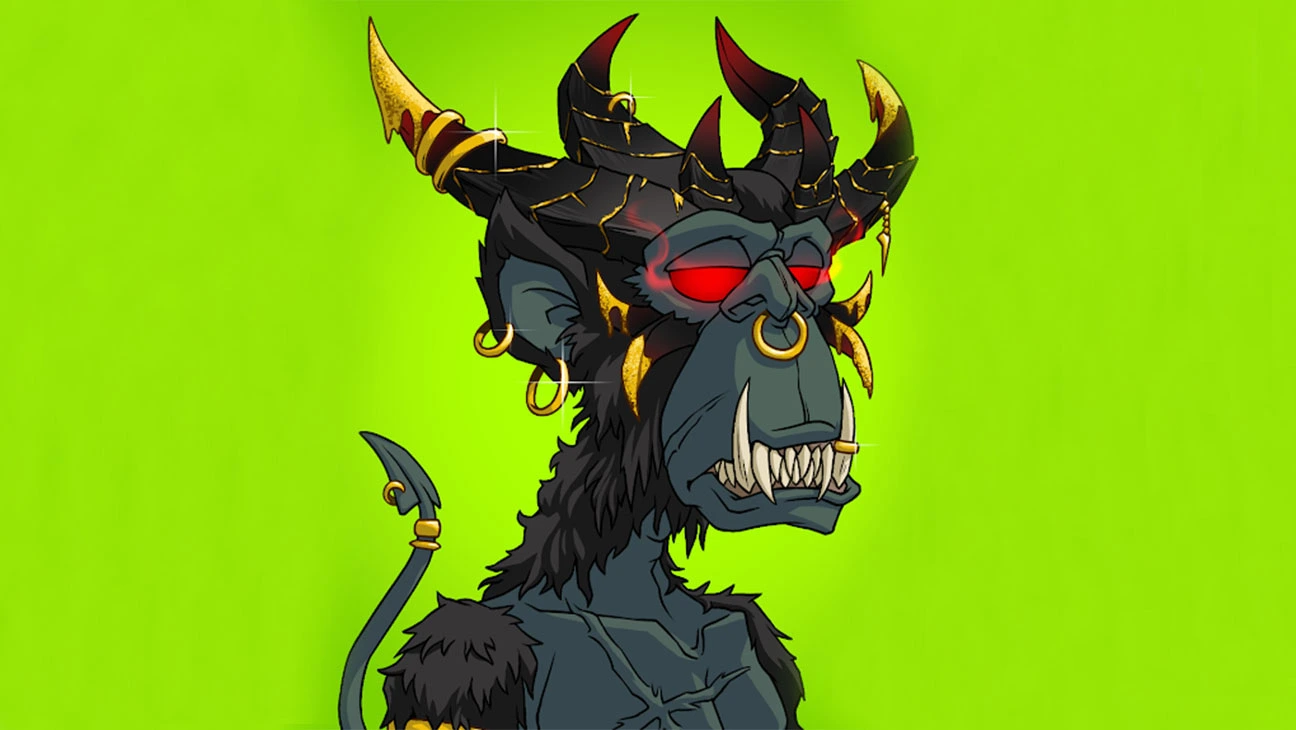
The benefits of NFTs are easiest to understand once you separate the technology from the 2021 hype. An NFT, or non fungible token, is a unique record on a blockchain that shows who owns a specific digital item, such as a piece of art, a ticket, a music file or a membership pass.
Prices for many NFT collections have fallen sharply since the boom, so this guide is not about getting rich quickly. Instead, it explains the real benefits of NFTs for creators, brands and buyers in 2026, along with the risks you should weigh before you take part.
Benefits of NFTs
Creators and brands are lucky to have NFTs as one more tool, because they can sell digital work directly to fans without a traditional middleman.
The costs of creating an NFT can be low on many modern blockchains, and almost any digital item can be tokenized: artwork, photos, music, videos, game items, event tickets or certificates. Individual products or digital works of art can each have their own token.
Related Post: The Advantages of NFTs
NFTs also include the traditional benefits of blockchain technology, including decentralization, registry immutability, traceability, and verifiability of contents, movements, and transfers.
Creators can also set a royalty so they may be paid when the NFT is resold to a third party. Be aware that many marketplaces now make these creator fees optional, so royalties are no longer guaranteed income.
7 Benefits of NFTs Explained
Here are the seven benefits of NFTs that still hold up, explained in plain language.
1. Decentralized Marketplace
NFTs can be bought and sold on open marketplaces that anyone with a crypto wallet can use. A creator in a small Indian town can reach a buyer anywhere in the world without needing a gallery or a publisher.
2. Unique and Verifiable
Each NFT has its own token ID on the blockchain, so anyone can check that it is the original token issued by a creator. This makes it harder to pass off a fake as the original token, although people can still copy the image itself.
3. Collectibles and Fan Communities
Some of the most practical benefits of NFTs come from community. Artists, musicians and brands use them as digital collectibles, membership passes or early access tickets that reward loyal fans.
4. Resellable
Because ownership is recorded on the blockchain, an NFT can be resold or transferred to someone else. Resale value is never guaranteed, and many NFTs now have very little demand.
5. Immutable Records
Once a transaction is recorded on a public blockchain, it is very difficult to change. That gives a permanent history of who created the token and every wallet that has owned it.
6. Proof of Ownership, Not Copyright
An NFT proves you own that token, but it usually does not give you the copyright to the artwork. The creator normally keeps the copyright unless the sale terms clearly transfer specific rights, so always read the licence before you buy.
7. Security of Records
The blockchain record itself is secure, which is one of the core benefits of NFTs. Your wallet, however, is only as safe as your habits, so never share your seed phrase and be careful with links that ask you to connect a wallet.
Real World Uses That Show the Benefits of NFTs
Away from price charts, NFTs are simply a way to record ownership of a unique item. That record is useful in several everyday situations:
- Event tickets: a ticket issued as a token is easy to verify at the gate and harder to fake or duplicate.
- Certificates and credentials: a course or workshop can issue a certificate that anyone can check against the issuer’s wallet. This is one of the quieter benefits of NFTs for colleges and training companies.
- Game items: some games record skins, characters or land as tokens that players can trade.
- Memberships and loyalty: holding a token can unlock a private community, early access or discounts.
- Limited editions of art and music: a creator can release a fixed number of editions and anyone can see how many exist, which is one of the clearest benefits of NFTs for artists.
In each case, the value comes from verifiable ownership, not from the hope that the price will rise.
How Creators Can Explore the Benefits of NFTs Step by Step
If you are a designer, photographer or musician in India and want to understand the process, follow these steps slowly. You can learn every step without spending large amounts.
Step 1: Use Only Work You Fully Own
Mint only original work that you created yourself, or work you have written permission to use. Turning someone else’s art, a film still or a brand logo into an NFT can break copyright and trademark law. Respecting copyright protects the long term benefits of NFTs for every honest creator.
Step 2: Learn Wallet Safety First
A crypto wallet holds the keys to your tokens. Write your seed phrase on paper, store it safely offline and never type it into a website, chat or form.
Anyone who asks for your seed phrase, including people claiming to be support staff, is trying to steal from you. Losing control of a wallet wipes out all the benefits of NFTs in an instant.
Step 3: Compare Blockchains and Fees
Different blockchains charge different network fees, often called gas, and these fees change with demand. Ethereum moved to a proof of stake system in 2022, which cut its energy use sharply; the official Ethereum website explains how it works.
Low fees on some networks are among the benefits of NFTs for small creators, but check current costs yourself before you mint.
Step 4: Read the Marketplace Terms
Check the marketplace’s listing fees, its rules on creator royalties, and what content it allows. Many marketplaces now let buyers skip creator fees, so plan as if royalties may not be paid.
Step 5: Write a Clear Licence
State in plain words what the buyer may do with the work: display it, use it personally, or use it commercially. A clear licence avoids disputes later and is part of the practical benefits of NFTs for serious creators.
Step 6: Keep Records for Tax
Note the date, value and fees of every mint, sale and transfer in a spreadsheet. In India these records matter because NFT income has its own tax rules, covered below.
Where the Benefits of NFTs Fall Short
An honest guide also needs the limits. Keep these in mind before you rely on NFTs for anything important:
- Files are often stored off chain: the token may only point to a link, and if that link stops working the image can disappear.
- Copying is still easy: anyone can save and share the image, even though they do not own the token.
- Low demand: many collections have few or no buyers, so selling can be hard.
- Fees add up: network fees and marketplace fees can be larger than the value of a small sale.
- Scams are common: fake collections, copied projects and phishing links target new users.
None of this cancels the benefits of NFTs. It simply explains why careful creators treat them as one tool among many.
Benefits of NFTs vs the Risks
The benefits of NFTs come with real risks. Prices can fall to almost nothing, many projects have been abandoned, and scams such as fake mints and phishing links are common.
In India, gains from virtual digital assets, which include NFTs, are taxed at 30 percent, and a 1 percent TDS applies to many transfers. Losses cannot be set off against other income, so check the latest rules on the Income Tax Department website or with a tax adviser before you trade.
If you are curious, start with a small amount you can afford to lose, or simply study how the technology works. You can read more about the basics on Wikipedia’s NFT page.
NFT Tax Rules in India Explained Simply
Under the Income Tax Act, most NFTs fall under the definition of virtual digital assets. Section 115BBH taxes income from their transfer at a flat 30 percent, plus applicable surcharge and cess.
Only the cost of acquisition can be deducted, and a loss on one virtual digital asset cannot be set off against any other income or carried forward. Tax costs reduce the net benefits of NFTs for anyone who trades, so include them in every calculation. Section 194S requires 1 percent TDS on many transfers above the specified limits.
Gains are reported in the Schedule VDA section of the income tax return. Because these rules are detailed and can change, confirm the current position with a chartered accountant before you file.
Safety Checklist Before You Buy or Mint
Most of the benefits of NFTs disappear if you lose money to a scam, so go through this list every time:
- I found the collection through the creator’s official website or verified social media account, not a random message.
- I checked the contract address and the transaction history on a block explorer.
- I read the licence and understand what rights I actually get.
- I know the total cost, including network and marketplace fees.
- I am using money I can afford to lose completely.
- My seed phrase is stored offline and I have never shared it.
- I have a plan for recording the transaction for tax.
If any line is unticked, wait. Real opportunities do not disappear because you took a day to check.
Common Mistakes Beginners Make With NFTs
Knowing these errors helps you keep the real benefits of NFTs without the usual losses:
- Buying because of hype: a trending collection on social media is not proof of value.
- Clicking free mint links: many wallet drainers hide behind free offers and airdrops.
- Assuming copyright comes with the token: it usually does not, which limits the benefits of NFTs for buyers who want to reuse the art.
- Ignoring tax: forgetting TDS and the 30 percent rule can create problems at filing time.
- Keeping everything in one hot wallet: separate wallets for testing and for holding reduce the damage of a mistake.
Who Gets the Most From the Benefits of NFTs?
- Digital artists and photographers who already have fans and want to sell limited editions directly.
- Musicians and creators who want to reward their community with collectibles or access passes.
- Event organisers and brands that want tickets or loyalty rewards that cannot be easily faked.
- Learners who want to understand blockchain technology before deciding whether it suits them.
For most beginners, building a skill or a creator audience first makes far more sense than buying NFTs as an investment. If you are still learning how investing works in general, Money Works in Stocks and Shares explains the basics of how markets and share prices move.
A 30 Day Plan to Learn NFTs Without Buying
You can understand the technology and judge the benefits of NFTs fully before deciding whether to take part. A simple month long plan:
- Week 1: read how blockchains and tokens work, starting with the official Ethereum documentation and Wikipedia.
- Week 2: explore a block explorer and follow how a few NFT transfers are recorded.
- Week 3: study marketplace terms, creator fees and licence examples from real collections to see which benefits of NFTs hold up in practice.
- Week 4: read the Indian tax rules for virtual digital assets and list the questions you would ask an adviser.
At the end of the month you will know whether NFTs fit your goals, without having risked any money.
FAQs About the Benefits of NFTs
Are NFTs legal in India?
There is no law that bans owning or trading NFTs in India at the time of writing. They are taxed as virtual digital assets, and rules may change, so follow official updates from the Income Tax Department and the government.
What are the main benefits of NFTs for small businesses?
Verifiable tickets, loyalty passes and certificates are the most practical uses. For many small businesses, simpler tools such as a WhatsApp community or a loyalty card still do the job at a lower cost.
Should I buy NFTs as an investment?
This guide does not recommend buying NFTs as an investment. Prices are volatile and many tokens have lost most of their value, so learn first and only risk money you can afford to lose. The benefits of NFTs described here are about ownership and access, not returns.
Do I need cryptocurrency to buy an NFT?
On most marketplaces, yes, because prices and network fees are paid in the blockchain’s own token. Some platforms accept card payments, but you still need a wallet to hold the NFT.
Can I turn someone else’s image into an NFT?
No. Minting work you do not own can break copyright law and get your listing removed. Use only your own original work or work you have clear written permission to use.
Do NFT royalties still work?
It depends on the blockchain and marketplace. Many marketplaces made creator fees optional, so treat royalties as a possible bonus rather than one of the guaranteed benefits of NFTs.
Are NFTs bad for the environment?
The answer depends on the blockchain. Proof of stake networks, including Ethereum since 2022, use far less energy than the older proof of work method. This change answered one of the biggest criticisms that once overshadowed the benefits of NFTs.
Recent Post: What Are NFTs? Non-Fungible Tokens Explained
Conclusion: To summarize the 7 benefits of NFTs:
- Decentralized marketplace
- Unique and verifiable
- Collectibles and fan communities
- Resellable
- Immutable records
- Proof of ownership (not copyright)
- Security of records
Used carefully, NFTs are a useful tool for creators and communities. Treat them as technology to understand, not as a shortcut to easy money.