
SEO vs PPC is the first big choice most Indian businesses face once they decide to win customers from Google. SEO (search engine optimisation) earns free clicks from the normal results, while PPC (pay per click) buys a spot in the ads around them.
Both work, but they run on very different clocks and budgets. This SEO vs PPC guide explains each one in plain words, compares them side by side and ends with a simple plan you can follow in 2026, whether you run a local shop, a D2C brand or a small online store.
SEO vs PPC: The Quick Answer
If you need sales this week and already have an offer that sells, start with PPC. If you can wait a few months and want traffic that keeps coming without paying for every visit, invest in SEO.
Most growing businesses end up treating SEO vs PPC as a mix, not a contest. Ads bring speed and quick lessons, while SEO slowly lowers what each customer costs you.
What Is SEO?
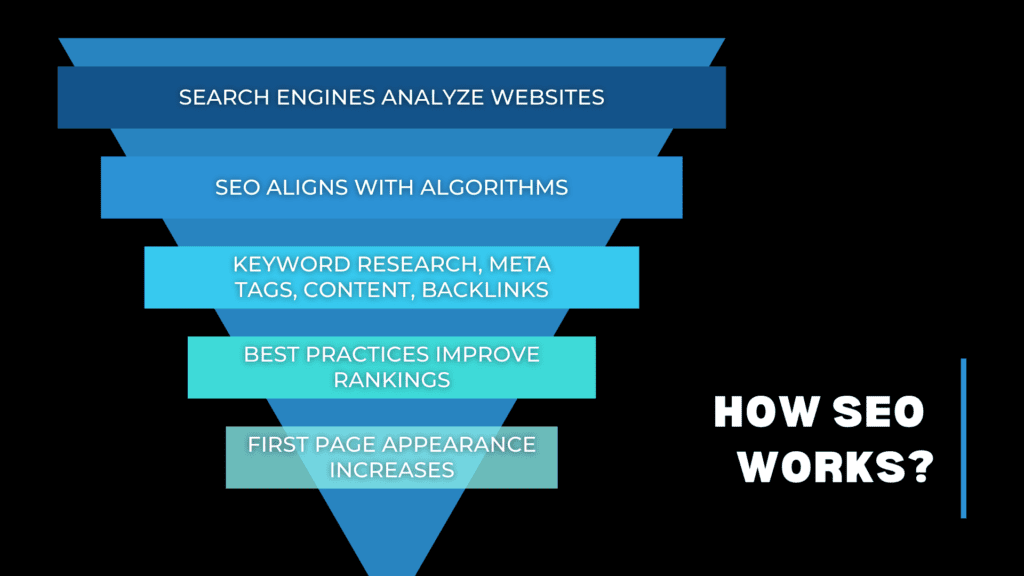
SEO stands for search engine optimisation. It is the work of making your website easy for Google to understand and genuinely useful for searchers, so your pages rank in the free, or organic, results.
It covers three areas: on page work (useful content, clear titles, good headings), technical health (fast mobile pages, clean site structure, no broken links) and authority (trusted websites linking to you). Google explains how it all works in its own Google Search Central documentation, the best free place to start.
Benefits of SEO
- Traffic without a per click bill: once a page ranks, visits do not cost you anything extra.
- Trust: many searchers skip ads and prefer results they feel were earned.
- Compounding results: a strong guide can keep bringing visitors for years with light updates.
- Useful everywhere: good pages also support your ads, social posts and email.
Limitations of SEO
- Slow: a new website often needs several months before traffic becomes meaningful.
- No guarantees: Google updates its ranking systems regularly, so positions move.
- Hard keywords take longer: competitive terms need excellent content and links from other sites.
- Less room on the page: AI Overviews and ads now appear on many searches, so even a top organic result can sit lower on the screen.
What Is PPC?
PPC stands for pay per click. You choose keywords in a platform such as Google Ads or Microsoft Advertising, write an ad and pay only when someone clicks it.
Where your ad shows depends on your bid and on how relevant your ad and landing page are to the search. The Google Ads Help Center explains bidding, ad formats and billing in detail.
Search ads are the classic form, but PPC today also covers shopping ads, YouTube ads, display ads and Performance Max campaigns that run across Google’s networks. This variety is one reason the SEO vs PPC question has no single answer.
Benefits of PPC
- Speed: ads can start showing within hours of approval.
- Control: you pick keywords, locations, languages, devices, timing and a daily budget.
- Clear measurement: with conversion tracking you can see what each rupee returns.
- Fast testing: you learn which offers and headlines sell before spending months on content.
Limitations of PPC
- It stops when you stop paying: there is no lasting traffic once the budget ends.
- Costly niches: keywords in insurance, education, finance and real estate can be expensive per click.
- Needs weekly care: search terms, negative keywords, ads and landing pages must be reviewed regularly.
- Ad blindness: some users ignore ads, and showing the same ad too often tires your audience.
Also note that Google Ads invoices for Indian accounts include GST, so plan your budget on the amount you will actually be billed.
SEO vs PPC: Side by Side Comparison
The table below sums up the main differences. Read this SEO vs PPC summary with your own budget and timeline in mind, because the right answer changes from one business to another.
| Comparison Factors | SEO | PPC |
| Cost | You pay in time, content and tools, not for each click | You pay for every click, and popular keywords cost more |
| Time to Results | Usually 3 to 6 months or longer for steady traffic | Traffic can start the day your ads are approved |
| Traffic Quality | Visitors chose your page from the free results | Visitors can be well targeted, but quality depends on your settings |
| Targeting | Limited to the searches your pages rank for | Control over keywords, location, device, language, schedule and audience |
| Lasting Value | Good rankings can keep bringing visitors for a long time | Results stop when the budget stops |
| Brand Awareness | Showing up for many related searches builds trust | Instant visibility for launches, sales and new offers |
| Measurement | Search Console and Analytics show trends over weeks | Conversion tracking shows results almost daily |
Cost
On cost, SEO vs PPC is not really free versus paid. SEO costs you time, writing, design and sometimes an agency or tools, but you never pay Google for a visitor.
PPC has a clear price per click that rises with competition. A small business can start with a modest daily budget, but it should set a hard limit and track every lead from day one.
Time to Results
Speed is the clearest gap in SEO vs PPC: PPC can bring visits on the first day. SEO is the slow build, and a new page on a young website may take months to rank, depending on competition and quality.
Traffic Quality and Trust
Trust is where SEO vs PPC often tilts toward SEO, because people who click organic results feel they found you themselves. Ad clicks can convert very well too, as long as the keyword shows clear buying intent and the landing page matches the ad.
Control and Testing
Flexibility is another point in the SEO vs PPC comparison where ads lead. You can change budgets, pause keywords and test new headlines in minutes, while SEO changes take weeks to show, so many teams use ads to find winning messages first and then build SEO pages around them.
SEO vs PPC for Small Businesses in India
For a local shop, clinic, coaching centre or restaurant, start with a free Google Business Profile, correct opening hours and genuine customer reviews. That is local SEO, and it costs nothing but effort.
Add a small local search campaign for your most profitable service if you need calls quickly. Keep the radius tight around your area so you do not pay for clicks from people who will never visit.
For an online store or a creator, the right SEO vs PPC balance depends on margin. Low priced products often cannot afford expensive clicks, so content, SEO and social media usually carry most of the load, as our guide to selling digital products online in India explains.
How to Choose the Right Strategy
Factors to Consider
- Budget: if your monthly marketing money is small, protect it. Put most of it into SEO and content, and use ads only for your best offer.
- Goals: a launch, sale or event needs ads, while a long lasting brand needs SEO.
- Industry and competition: search your main keyword and study the ads and top results before deciding.
- Margin: if one sale earns very little, expensive clicks rarely pay back.
- Tracking: set up Google Analytics and Search Console before spending anything, or you will be guessing.
There is no permanent winner in SEO vs PPC. Revisit the split every quarter as your rankings, click costs and goals change.
A Simple SEO vs PPC Plan to Use Both
You do not have to settle the question once and for all. Follow these five steps and let your own data guide the budget.
- Week 1: set up Search Console, Analytics and conversion tracking.
- Weeks 1 to 4: run a small search campaign on 5 to 10 buying keywords and note which terms bring enquiries or sales.
- Months 1 to 3: write helpful pages around the keywords that converted, and make your site fast on mobile.
- Month 3 onwards: as pages start ranking, lower bids where you already rank well and move the savings to new tests.
- Every month: compare the cost of a lead from ads with leads from organic search, and adjust.
Want to learn both sides faster? The Ultimate Digital Marketing Bundle collects digital marketing ebooks you can read at your own pace.
Running a WordPress website? Our comparison of WordPress SEO plugins helps you handle the technical basics quickly.
How to Set Your First SEO vs PPC Budget
Before you spend a single rupee, write down three numbers: what one customer is worth to you, what you can afford to pay to win one, and how much money you can set aside each month without hurting cash flow. These three numbers turn the SEO vs PPC question from an argument into simple arithmetic.
The number that matters most is your break even cost per customer. If one order leaves you a small profit, your ads must win a customer for less than that profit, or every extra sale quietly loses money.
Worked Example: A Local Coaching Centre
Imagine a coaching centre where roughly one enquiry in five becomes an admission. If the owner knows the profit from one admission, dividing it by five gives the most they can pay for one enquiry and still break even.
Next, they open Keyword Planner and check the suggested bids for course plus city searches in their area. If the likely cost of an enquiry sits well below the break even figure, a small paid test is worth running; if it sits above, the money is better spent on local SEO and helpful pages first.
Worked Example: A Low Priced Online Product
A creator selling a low priced digital product faces a very different picture. When one sale brings in very little, a handful of clicks that do not buy can wipe out the margin of the sale that does.
Here the SEO vs PPC balance usually tilts towards organic channels such as search friendly blog posts, YouTube videos and social media. Ads still have a role, but mostly for retargeting people who already visited your site, which tends to cost less than chasing cold traffic.
SEO vs PPC Decision Checklist
Answer these questions honestly before you commit any money. If most answers point one way, you have your starting point.
- Do you know your profit per sale and your break even cost per customer?
- Is the offer already proven with real buyers, or is it still untested?
- Do you need enquiries within the next 30 days, or can you wait three to six months?
- Can you, or someone on your team, publish one genuinely helpful page every week?
- Is conversion tracking working in Google Ads and Google Analytics?
In SEO vs PPC terms, mostly yes to speed and a proven offer points to PPC first. Mostly yes to time and steady content points to SEO first.
Common SEO vs PPC Budget Mistakes
Most wasted marketing money in small businesses comes from a few repeat errors.
- Spending the whole monthly budget in the first week instead of setting a daily limit.
- Bidding on broad keywords without negative keywords, so ads show for searches that will never buy.
- Stopping SEO work after one month because nothing ranked yet.
- Judging ads on clicks instead of enquiries and sales.
- Sending paid visitors to the home page instead of a page built for that one offer.
- Never comparing what an organic lead costs with what a paid lead costs.
Free Tools to Plan Your SEO vs PPC Spend
You do not need paid software to settle SEO vs PPC for your budget. These free tools cover almost everything a small business needs.
- Google Keyword Planner: found inside Google Ads, it shows search ideas and estimated bid ranges for India.
- Google Search Console: shows which searches already bring you impressions and free clicks.
- Google Analytics: shows which channel brings enquiries and sales, not only visits.
- Google Business Profile: puts a local business on Maps and in local results at no cost. Set it up at Google Business Profile.
Budget Notes for Indian Businesses
Google Ads lets Indian advertisers pay in rupees, and the payment methods and invoices you see depend on how your account is set up. Check the current billing options in the Google Ads Help Center before you add a card or UPI.
Plan around festive seasons such as Diwali, when many advertisers compete for the same searches and clicks can cost more.
Conclusion: Which Should You Pick in 2026?
SEO builds an asset that keeps working, while PPC rents attention you can switch on today. For most Indian businesses the smart answer to SEO vs PPC is the right mix for your budget and stage.
Start small and track everything. When the numbers come in, let real results, not opinions, settle SEO vs PPC for your business.
Read More: Maximizing Your Online Presence: Tips For Local SEO Success
FAQs Related To SEO vs PPC
What is the difference between SEO and PPC?
SEO earns free clicks from Google’s organic results by improving your content and website. PPC buys ad positions above or beside those results and charges you each time someone clicks.
Which is cheaper in the SEO vs PPC debate?
Over a long period SEO usually costs less per visitor because you do not pay for each click, but it needs time, content and effort. PPC costs more per visitor but can deliver results quickly.
How long does it take to see results from SEO and PPC?
Ads can bring traffic the day they are approved. SEO often takes 3 to 6 months or more, depending on competition, content quality and the age of your website.
Can I do SEO and PPC at the same time?
Yes, and most growing businesses do, which turns SEO vs PPC into a question of balance. Use ads for speed and testing, and SEO for traffic that lasts. Data from your ads also tells you which topics deserve SEO pages.
Is SEO vs PPC different for small businesses in India?
The basics are the same, but a small budget makes every rupee matter. Start with a free Google Business Profile and helpful pages, then add a small local ads campaign for your most profitable service.
How do I track the results of SEO and PPC?
Use Google Search Console for organic search performance, Google Analytics for what visitors do on your site, and conversion tracking inside Google Ads for paid clicks.
References And Additional Resources
Sources Cited in the Article
- Google Search Central: https://developers.google.com/search/docs
- Google Ads: https://ads.google.com/intl/en_in/home/
- Moz: https://moz.com/learn/seo/what-is-seo
Additional Resources for Further Learning
- Search Engine Journal: https://www.searchenginejournal.com/
- SEMrush: https://www.semrush.com/
- HubSpot: https://www.hubspot.com/
- Ahrefs: https://ahrefs.com/
- Backlinko: https://backlinko.com/
- Google Analytics: https://analytics.google.com/
- Google Search Console: https://search.google.com/search-console/about
- Neil Patel on PPC: https://neilpatel.com/what-is-ppc/
- WordStream: https://www.wordstream.com/
These resources go deeper into SEO vs PPC topics and digital marketing in general. Bookmark a couple of them and check back every few months, because both search and ads platforms change often.