


Books about branding are one of the cheapest ways to learn how great brands are built, because each one packs years of a strategist’s experience into a few hundred pages. Below is our selection of the best Books About Branding for founders, marketers, designers and creators in 2026.
The list covers strategic branding and its sub areas, such as brand story, brand positioning, brand purpose and visual identity design. While these books offer many practical tips, above all they give you a solid understanding of the fundamentals of branding.
Why Read Books About Branding?
A brand is more than a logo. It is what people remember, feel and say about your business when you are not in the room.
Short videos and threads can give you quick tips, but good books about branding explain the thinking behind those tips, so you can apply it to your own business instead of copying someone else’s. If you want a neutral definition first, the Wikipedia article on brands is a useful starting point.
Branding Concepts & Strategy Books
1. Building a StoryBrand by Donald Miller
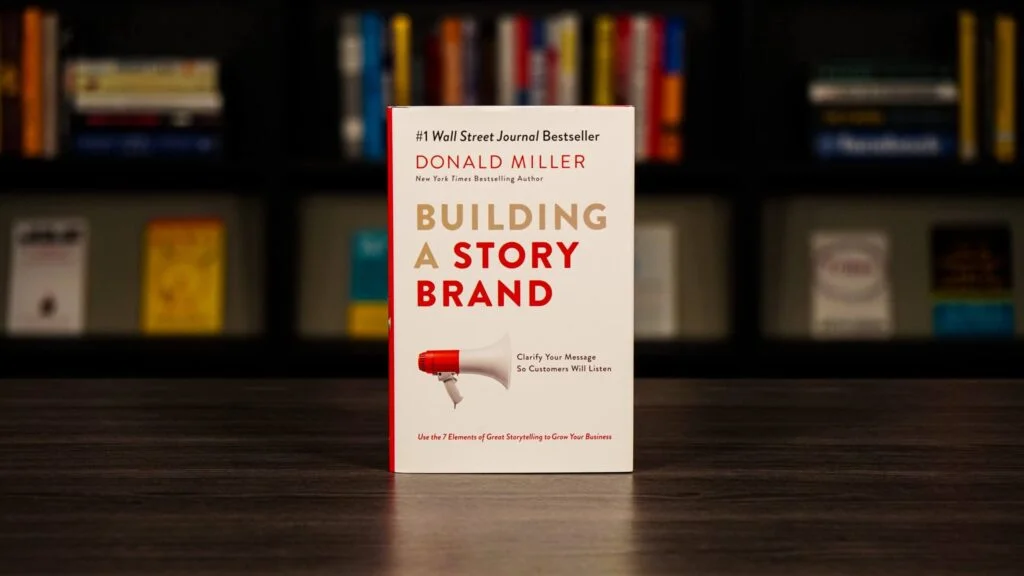
If you are not sure how to explain what your company does or what it offers, this book is a good fit. Donald Miller shows how to communicate your brand with clarity.
It stresses clarifying your message so people can understand and remember you, and portraying the customer, not your company, as the hero of the story.
2. Positioning: The Battle for Your Mind by Al Ries & Jack Trout
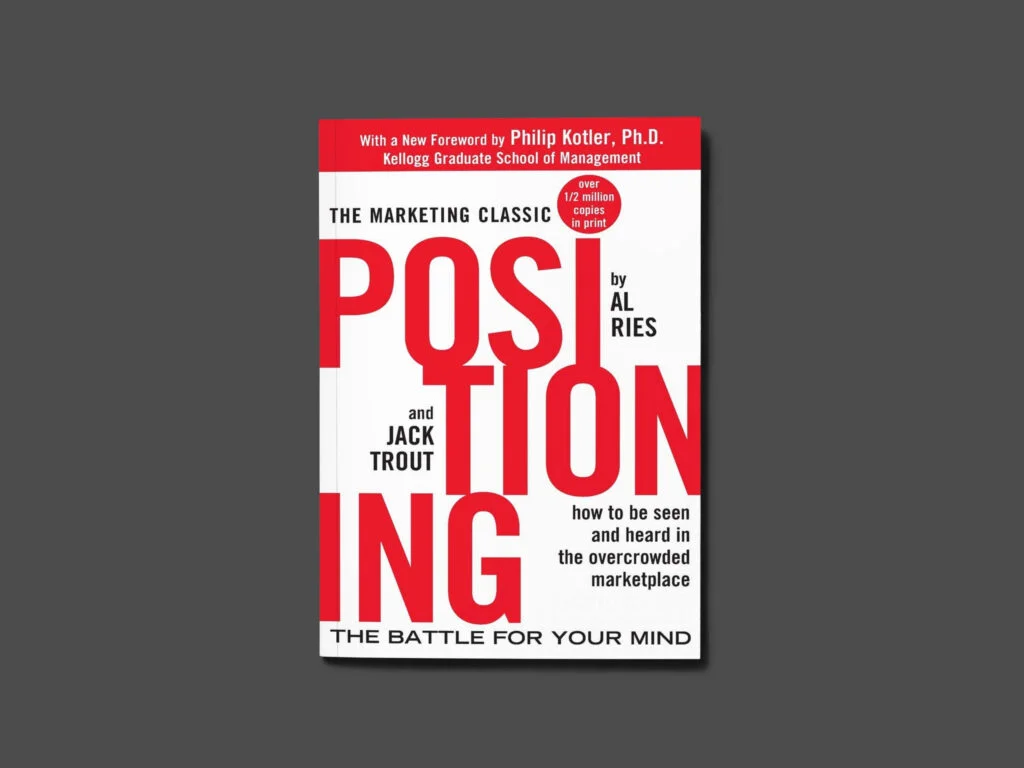
This book is ideal if you want to understand brand positioning and how to stand out from the crowd. It is a classic on positioning, a term used a lot in marketing but not always explained well.
Although it is quite old, the book still provides an excellent framework for building branding strategies, and its examples are easy to translate to Indian markets.
3. The 22 Immutable Laws of Marketing by Al Ries & Jack Trout
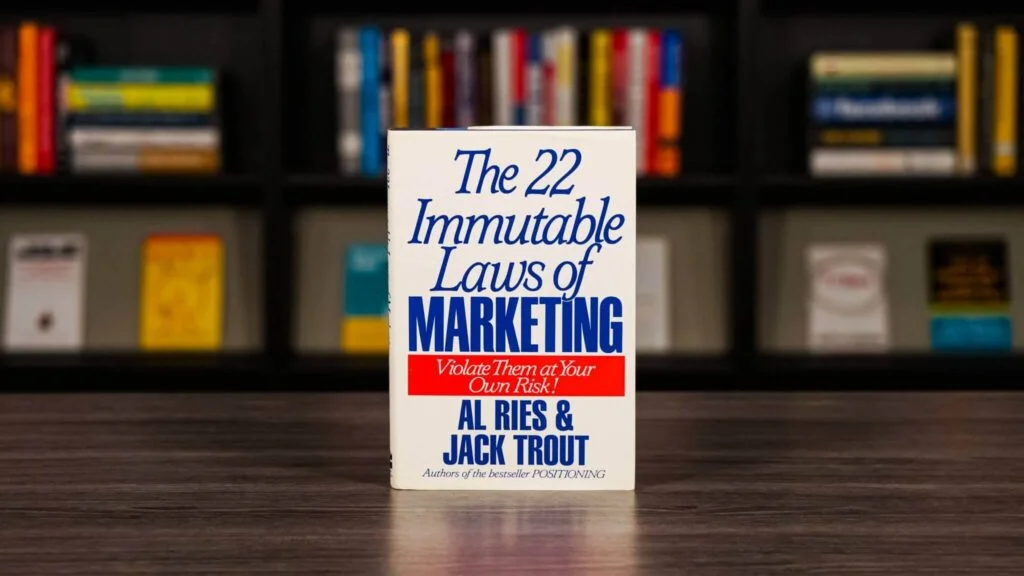
Al Ries and Jack Trout are among the best known marketing strategists. In this short book, they set out 22 laws of marketing and examine campaigns that succeeded and others that failed.
They explain why some good ideas did not live up to expectations and what might have worked better. The real life examples and common sense suggestions make it a quick but valuable read.
More Books About Branding Worth Reading
4. Designing Brand Identity by Alina Wheeler
A practical reference for visual identity, covering research, logo and colour decisions, brand guidelines and how to roll an identity out across touchpoints. Designers and founders working with designers both benefit.
5. Start With Why by Simon Sinek
Among books about branding, this one focuses most on brand purpose: why your business exists beyond making money. It helps you explain your purpose in a way that customers and employees can connect with.
6. Building Strong Brands by David Aaker
A more strategic read about brand equity and brand identity from one of the best known branding academics. It suits readers who want depth beyond quick tips.
How to Choose the Right Book
- New founders: start with Building a StoryBrand for clear messaging.
- Marketers: read Positioning and The 22 Immutable Laws of Marketing.
- Designers: Designing Brand Identity is the most practical choice.
- Anyone unsure about purpose: begin with Start With Why.
Pick one of these books about branding, finish it, and apply one idea before starting the next. Reading five books without action changes nothing.
How to Apply What You Learn
When you read books about branding, write down one change you can make this week after each chapter, such as rewriting your Instagram bio, clarifying your website headline or choosing two brand colours and sticking to them.
If you want practical help turning these ideas into marketing, our Creative Marketing Tactics guide covers low cost ways to promote a brand. For creators building a brand on social media, our guide to Instagram business marketing reels ideas shows how to put brand messages into short videos.
How to Read Books About Branding, Step by Step
Most people read one of the books about branding once, feel inspired for a week and then forget it. A simple reading method turns each book into real changes in your business.
- Define one problem first. Write down the branding question you need answered, such as “Why do people not understand what I sell?”
- Skim the contents page. Mark the chapters that speak to your problem and read those first.
- Take action notes, not summary notes. After each chapter, write one thing you will change, not ten things you liked.
- Test within seven days. Rewrite a headline, a bio or a product description and see how people respond.
- Review after a month. Keep what worked, drop what did not, and only then pick the next book.
This method works with all books about branding, whether you read a paperback, an ebook or listen to an audiobook on the way to work.
Worked Example: Using Books About Branding for a Small Indian Business
Ideas from books become clearer when you see them applied. Imagine Meera, who runs a homemade pickle business from Jaipur and sells through Instagram and WhatsApp.
Step 1: Clarify the message with StoryBrand
Building a StoryBrand suggests making the customer the hero. Meera changes her Instagram bio from a list of products to a line about the customer: busy families who miss the taste of homemade pickle.
She now plays the guide who solves that problem, with a clear call to action to order on WhatsApp.
Step 2: Find a position with Positioning
Ries and Trout argue that a brand should own a simple idea in the customer’s mind. Instead of competing on “many flavours”, Meera focuses on one idea she can honestly own, such as traditional recipes made in small batches.
Step 3: Build a consistent identity
Designing Brand Identity reminds her that every touchpoint should feel like the same brand. She picks two colours, one font and one label style, and uses them on jars, posts and invoices.
Step 4: Explain the purpose
Start With Why pushes her to share the reason behind the business, such as keeping her grandmother’s recipes alive. Customers remember that story far better than a price list.
None of this needs a big budget. That is the real value of books about branding for small sellers: they give a clear process you can follow with the tools you already have.
Key Ideas From These Books About Branding
If you want a quick map before choosing a book, these are the core ideas each title is known for:
- Building a StoryBrand: a seven part story framework where the customer is the hero and the brand is the guide.
- Positioning: winning a clear place in the customer’s mind instead of trying to be everything to everyone.
- The 22 Immutable Laws of Marketing: short rules about focus, category leadership and perception.
- Designing Brand Identity: a structured process from research and strategy to design, touchpoints and managing brand assets.
- Start With Why: leading with purpose so people connect with the reason behind your work.
- Building Strong Brands: thinking about brand equity and identity as long term assets.
Read these summaries as signposts only. The full books about branding explain the reasoning and examples that make each idea work.
Brand Basics Checklist After Reading
Once you finish a book, use this checklist to see whether your own brand has the basics in place:
- Can you explain what you sell and who it is for in one sentence?
- Do your website, social bios and packaging use the same name, colours and tone?
- Is there one clear idea you want customers to remember?
- Have you written down why your business exists, beyond making money?
- Does every page or post end with a clear next step for the customer?
- Have you asked a few real customers how they would describe you?
If most answers are yes, your reading is already paying off. If not, return to the book that covers the weakest point.
Common Mistakes When Learning From Books About Branding
- Reading too many at once. Ideas from different authors can clash and leave you confused.
- Copying big brand examples directly. A large company’s tactics may not suit a small business budget.
- Starting with the logo. Visual identity matters, but message and positioning should come first.
- Changing everything every month. Consistency is what makes a brand recognisable.
- Ignoring customers. Books give frameworks, but only real customers tell you what actually lands.
Avoiding these mistakes matters more than the number of books about branding you finish in a year.
Free Tools to Practise What the Books Teach
You do not need paid software to apply these ideas. Free tools are enough for most beginners:
- Canva (free plan): create simple brand kits, social posts and labels with fixed colours and fonts.
- Google Fonts: choose free fonts you can use consistently on your website and designs.
- Google Forms: run a short survey asking customers how they see your brand.
- Google Docs: keep a one page brand guide with your message, tone and visual rules.
- Your local library: many public and college libraries in India stock marketing and design books.
If you sell online, our guide on digital products to sell shows how branding fits into a small product business.
A 30 Day Branding Plan Using Books About Branding
Here is a simple plan for founders and creators who want results from books about branding in one month.
Week 1: Message
Read the key chapters of Building a StoryBrand. Write a one sentence message about your customer’s problem and how you help.
Week 2: Position
Read Positioning or the relevant laws in The 22 Immutable Laws of Marketing. List your competitors and choose one idea you can honestly own.
Week 3: Identity
Use Designing Brand Identity as a guide to fix your colours, fonts and logo usage. Create a one page brand guide in Google Docs.
Week 4: Purpose and review
Read Start With Why and write your purpose in two or three sentences. Update your bios and website, then ask five customers for feedback.
By the end of the month, the books about branding on your shelf will have turned into real changes customers can see.
How to Remember What You Read in Books About Branding
Highlighting feels productive, but most highlights are never read again. A better habit is to write a short note in your own words at the end of each chapter.
Keep one notebook or digital document for all your books about branding. Organise it by topic, such as message, positioning, identity and purpose, rather than by book.
When you face a real decision, like naming a product or writing a homepage, open that topic page first. You will see what several authors said about the same problem in one place.
Teaching is another strong way to remember. Explaining one idea to a friend or your team in five minutes shows quickly whether you have really understood it.
Where to Find These Books in India
All six titles are widely available in India as paperbacks, ebooks and audiobooks from major online stores and bookshops. Older classics such as Positioning are often easy to find second hand in college markets and used book shops.
If you are on a tight budget, look for books about branding in your college or city library first, or share copies with friends who also run small businesses. Discussing a chapter together often helps more than reading alone.
Books About Branding: Quick FAQs
Which is the best book about branding for beginners?
Building a StoryBrand is easy to read and immediately useful, which makes it a strong first choice.
Are older books about branding still relevant?
Yes. Platforms change, but the ideas of clear messaging, positioning and purpose still apply in 2026.
Do I need to read all of them?
No. Choose the one that matches your current problem, apply it, and come back for the next when you need it.
Which books about branding suit designers?
Designing Brand Identity by Alina Wheeler is the most practical for designers, because it covers the full process from research to guidelines.
Can books replace a branding course?
For most small businesses, a few good books plus real practice are enough to start. A course can help later if you want structured feedback.
How long does it take to see results from better branding?
It varies by business. Clearer messaging can improve how people respond quite quickly, while recognition and trust build slowly through consistency.
Are audiobooks a good way to read books about branding?
Yes, especially for busy founders who commute. Pause after each chapter and note one action, because it is easy to listen without applying anything.
Do I need a big budget to use what these books teach?
No. Most of the ideas are about clear thinking, consistent messages and knowing your customer, which cost time rather than money.
Should I read books about branding or marketing first?
Start with branding, because it defines what you stand for. Marketing then spreads that message to the right people.
Recent Post: How To Gain Self Confidence
“A brand is a voice and a product is a souvenir”
Lisa Gansky