


Searching for new skills to learn this year? There is no shortage of things you could work on, but a few skills give far more value than others, whether you want to grow as an entrepreneur, a freelancer, a student or an employee. These 7 skills can give you a real edge in your career and in daily life.
For each one you will find what it is, why it matters in 2026, and a simple, free or low cost way to start. Pick one or two, not all seven, and practise them consistently for a few months.
7 New Skills to Learn in 2026
1. Speed Reading
Speed reading is the practice of recognising and absorbing the content of a page quickly, rather than reading every word one by one. It does not come overnight, it needs regular practice.
How to start: read for 15 minutes a day with a pointer or your finger guiding your eyes, and slowly push your pace while checking that you still understand the text.
2. Investing
Among new skills to learn, investing has the longest payoff. It is the process of making your money work for you around the clock. People invest to build a secure future, buy a home or retire comfortably. The basics are easy to learn, but good judgement takes time and practice.
How to start: learn how mutual funds, index funds and SIPs work, and only use SEBI registered platforms. Our ebook Money Works in Stocks and Shares explains shares and long term investing in simple language.
3. Playing an Instrument
Learning a musical instrument trains memory, coordination and patience. If you love music, it is also one of the most enjoyable new skills to learn, and it gives your brain a break from screens.
How to start: pick an instrument you can access easily, such as a keyboard, guitar or flute, and follow a beginner course for 20 minutes a day.
4. Public Speaking
Public speaking is one of the new skills to learn that pays off in almost every job. It combines clear language, body language and the ability to engage people. You need it in interviews, client calls, college presentations and even family events.
How to start: record yourself explaining a topic for two minutes, watch it back and improve one thing each time. Joining a local speaking club helps a lot.
5. Productivity
Productivity means using your time and resources well. When you master it, you finish more meaningful work in less time and still have energy for the rest of your life.
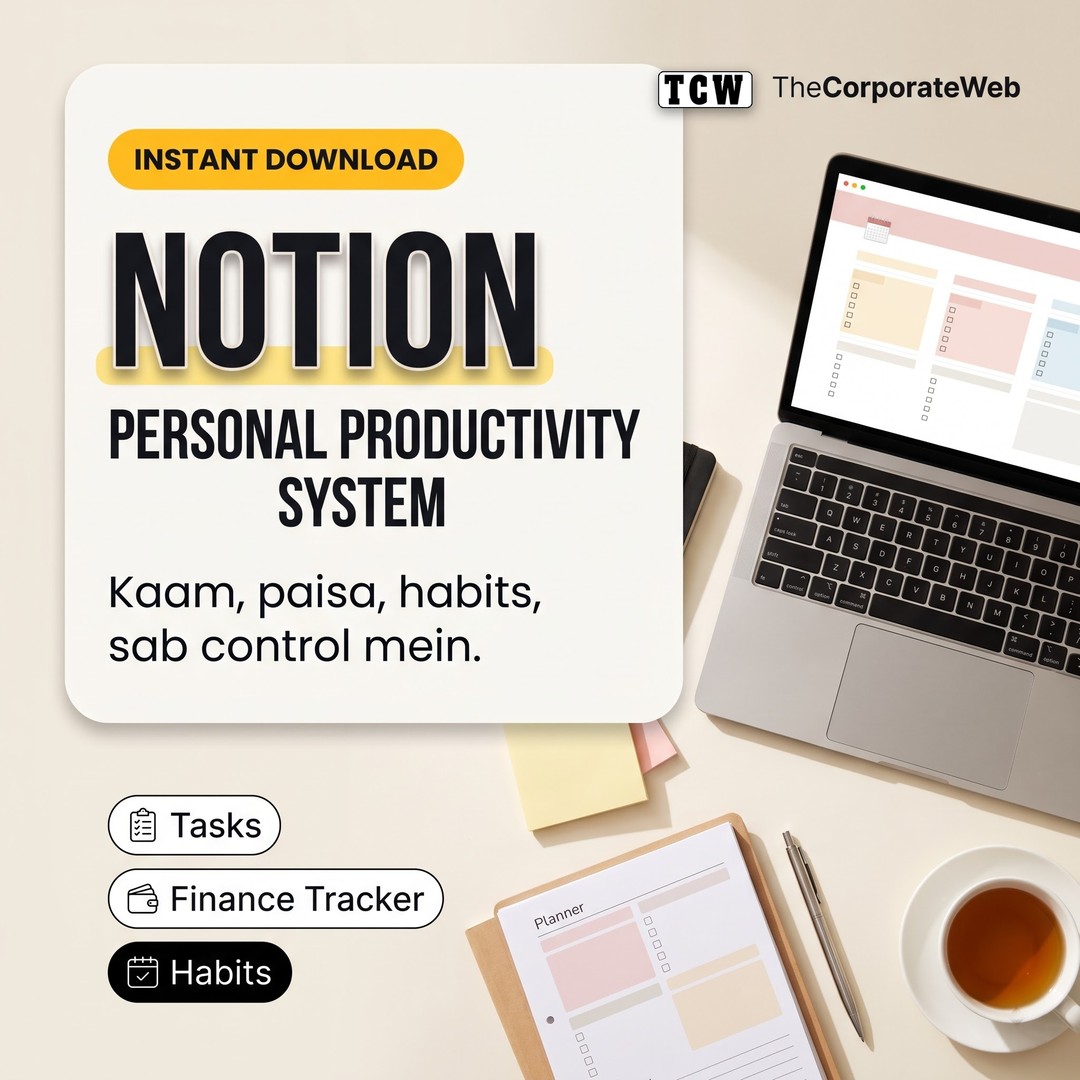
How to start: plan tomorrow’s top three tasks every evening and block focused time for them. A simple digital planner, such as our Personal Productivity Notion Template, keeps your tasks and goals in one place.
6. Data Skills
Companies of every size now make decisions with data, so data work belongs on any list of new skills to learn. A data scientist extracts useful insights from messy data, but even basic skills such as spreadsheets, charts and simple analysis make you more valuable in any role.
How to start: master spreadsheets first, then explore free beginner courses in data analysis. The free Grow with Google programme lists courses and resources for building digital skills.
7. Emotional Intelligence
Emotions often arrive before careful thought, and strong emotions can cloud decision making and relationships. Understanding and managing your own emotions, and recognising the emotions of others, helps you succeed at work and at home.
How to start: pause before reacting in a tense moment, name what you are feeling, and ask one question to understand the other person before you reply.
How to Choose Which New Skills to Learn
Trying to learn everything at once usually means finishing nothing. A short list of new skills to learn works better. Use these three questions to choose.
- Does it help my current goal? A student preparing for placements may pick public speaking, while a small business owner may pick data skills.
- Can I practise it every week? A skill only grows with regular practice, so choose something that fits your routine.
- Will it still matter in five years? Communication, investing and emotional intelligence never go out of date.
For a wider view of future ready skills, Asia Society has a helpful piece on seven skills students need for their future.
Digital Skills Worth Adding to Your List
If you want new skills to learn that can also lead to freelance work or a side income, digital skills are a practical choice. Video editing, content writing, social media management and basic design are all in demand among small businesses in India.
You do not need an expensive degree to begin. Start with free tutorials, build a small portfolio, and take on a few practice projects. Our guide to freelancing for students explains how to find your first clients step by step.
A Simple 30 Day Plan to Learn Any Skill
- Days 1 to 3: pick one skill and write down why you want it.
- Days 4 to 10: learn the basics from one good source only, so you do not get lost in too many tutorials.
- Days 11 to 25: practise daily, even for 20 minutes, and track your progress.
- Days 26 to 30: make something real, such as a short speech, a small spreadsheet project or a piece of music, and share it with a friend for feedback.
More New Skills to Learn in 2026
The seven skills above are a strong base. If you want more options, these are also practical and widely useful for Indian learners.
Using AI tools well
AI chat assistants and writing tools are now part of many jobs. Learning to give clear instructions, check answers for mistakes and protect private information is a skill in itself. Start by using one tool for a real task each day, such as drafting an email, and always verify facts before you rely on them.
Spoken and written English
Clear English opens doors in interviews, client work and online business across India. Read aloud for ten minutes daily, write a short paragraph every evening, and ask a friend to correct one mistake at a time.
Basic coding
Even simple coding teaches logical thinking. Beginner friendly languages such as Python let you automate small tasks, clean data or build tiny tools within a few weeks of steady practice.
Personal finance
Budgeting, saving, insurance and taxes affect everyone, so personal finance belongs on every list of new skills to learn. Learning how your salary slip, bank interest and tax return work protects you from costly mistakes.
Video editing and content creation
Short videos are everywhere, and businesses need people who can edit them. A free mobile editor is enough to start learning cuts, captions and pacing. Our guide on how to make reels on mobile is a good first project.
New Skills to Learn Based on Your Goal
The best choice depends on where you are right now. Use this as a quick guide to new skills to learn for each stage of life.
- College students: public speaking, spreadsheets, spoken English and one digital skill you can freelance with.
- Working professionals: data skills, emotional intelligence, AI tools and investing.
- Homemakers returning to work: content writing, basic design, tuition skills and personal finance.
- Small business owners: social media marketing, basic accounting, negotiation and video editing.
- Retired people: a musical instrument, digital payments safety and a new language for fun and memory.
Picking new skills to learn from your own column keeps the list short and relevant. It also makes it easier to stay motivated, because you can see how each skill helps your actual life.
Step by Step: How to Learn a New Skill Faster
Whatever you choose, the learning method matters as much as the skill. These steps work for most new skills to learn, from music to coding.
- Define one clear outcome, such as “give a five minute talk without notes” or “build a monthly budget sheet”.
- Break the skill into small parts and learn the most useful part first.
- Practise in short, focused sessions instead of long, tired ones.
- Get feedback early from a teacher, a friend or a recording of yourself.
- Teach what you learned to someone else, which reveals gaps in your understanding.
- Repeat the hardest parts more often than the easy ones.
This approach turns a vague wish into visible progress. You will know within a few weeks whether a skill suits you.
Worked Example: Learning Spreadsheets in a Month
Neha works in an office in Jaipur and wants to stop depending on colleagues for simple reports. She picks spreadsheets as one of her new skills to learn.
In week one she learns basic formulas such as sum and average. In week two she practises sorting, filtering and simple charts using her own monthly expenses. In week three she learns lookup functions from a free tutorial, and in week four she builds a small sales report for her team.
By the end of the month her manager notices the report. Nothing about it was complicated, but steady daily practice made the difference.
Free Platforms for New Skills to Learn in India
You do not need to spend much on new skills to learn. Several reliable platforms offer free or low cost courses.
- SWAYAM, the Government of India’s online course platform, offers courses from Indian universities and institutes.
- NPTEL, run by the IITs and IISc, offers many engineering, science and management courses.
- The Skill India Digital Hub lists government backed skilling programmes.
- Public libraries and free reading apps carry books on almost every subject.
- YouTube channels by teachers and practitioners cover music, coding, design and speaking.
Use one main source at a time. Jumping between ten free courses is a common reason people never finish.
Common Mistakes When Choosing New Skills to Learn
A few habits stop many learners before they make real progress.
- Choosing a skill only because it is trending, not because it fits your goals.
- Collecting courses and certificates without practising.
- Expecting quick mastery and quitting after one hard week.
- Learning alone without any feedback, so mistakes become habits.
- Ignoring rest and sleep, which the brain needs to store new learning.
Avoiding these mistakes matters more than finding the perfect course. It also keeps your list of new skills to learn short enough to finish.
Checklist to Track Your Progress
Progress is easy to overestimate, so check these points at the end of every week.
- Did I practise on at least five days?
- Can I do something today that I could not do last week?
- Did I get feedback from at least one person or source?
- Is my next small goal clear?
If you answer yes to most of these, your chosen skill is moving forward. If not, reduce the goal size instead of giving up.
How to Show Your New Skills on a Resume
Once you have practised for a few months, make your progress visible. Employers and clients trust proof more than claims.
- Add a projects section with one or two real examples, such as a spreadsheet report, a recorded talk or an edited video.
- Mention completed courses only if you can explain what you learned and how you used it.
- Share a small portfolio link or a public profile where people can see your work.
Whatever new skills to learn you add this year, a simple proof of work makes them count in interviews and client calls.
How Much Time Should You Give Each Skill?
There is no fixed number of hours, but regular practice matters far more than long sessions. Twenty to thirty minutes on most days is enough for steady progress in most new skills to learn.
Plan your practice at the same time each day, such as early morning or after dinner, so it becomes automatic. Protect that slot the way you would protect an important meeting.
If a week gets busy, shrink the session instead of skipping it. Five minutes of practice keeps the habit alive until you can return to the full routine.
FAQs on New Skills to Learn
Which skill is easiest to learn quickly?
Productivity habits and basic spreadsheet work show results within a few weeks. Public speaking improves quickly with regular practice.
How many new skills to learn at once?
One or two at a time is ideal. Depth beats a long list of half learned skills.
Can I learn these skills for free?
Yes. Almost all of them can be started with free videos, library books and practice, then improved with paid courses later if you need them.
Whatever new skills to learn you choose this year, consistency matters more than talent. Ten minutes every day beats three hours once a month.
“Communication is a skill that you can learn. It’s like riding a bicycle or typing. If you’re willing to work at it, you can rapidly improve the quality of every part of your life”
Brian Tracy