In 2026, AI in digital marketing is hard to ignore, because marketing has become more data driven than ever before. With the increasing amount of customer data available, marketers can use artificial intelligence (AI) and machine learning (ML) algorithms to analyze and extract insights from data that were previously unattainable. AI in digital marketing enables marketers to create more personalized, targeted, and effective campaigns.
AI can help marketers in many ways, from automating repetitive tasks to optimizing campaigns for better performance. In this blog, we’ll explore how AI is being used in digital marketing and the benefits it can provide for marketers.
1. Personalized Content and Offers
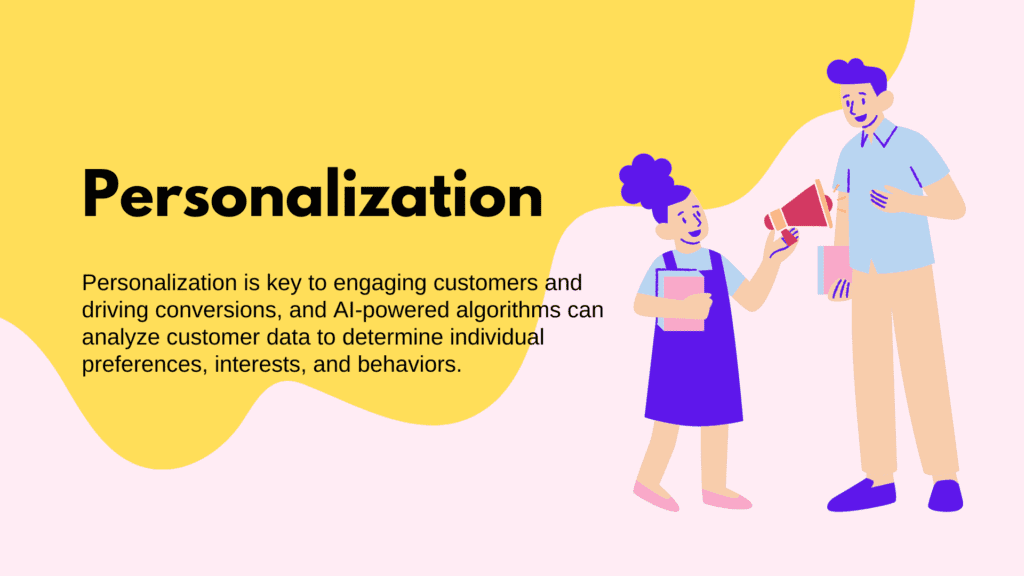
One of the most significant advantages of using AI in digital marketing is the ability to deliver personalized content and offers to consumers. Personalization is key to engaging customers and driving conversions, and AI-powered algorithms can analyze customer data to determine individual preferences, interests, and behaviors.
For example, AI can analyze a customer’s past purchases, browsing history, and social media activity to understand their interests and preferences. Based on this information, AI can suggest products or services that the customer is more likely to be interested in, and tailor marketing messages to appeal to their specific needs and interests.
AI-powered chatbots can also engage with customers in a personalized manner, responding to their queries and providing recommendations based on their individual needs. This level of personalization can help build stronger relationships between customers and brands, leading to increased loyalty and customer lifetime value. Chatbots on WhatsApp Business and website chat are common examples of AI in digital marketing for Indian brands.
2. Predictive Analytics
AI can also help marketers predict customer behavior, enabling them to anticipate trends and adjust their strategies accordingly. Predictive analytics uses historical data and machine learning algorithms to identify patterns and make predictions about future outcomes.
For example, marketers can use predictive analytics to identify which customers are most likely to churn or which products are most likely to sell out. This information can be used to create targeted campaigns and promotions to prevent churn and maximize sales.
Predictive analytics can also help marketers identify new opportunities and niches to target. By analyzing customer behavior and identifying gaps in the market, marketers can create new products or services to meet unmet needs, increasing their market share and revenue.
3. Enhanced Ad Targeting
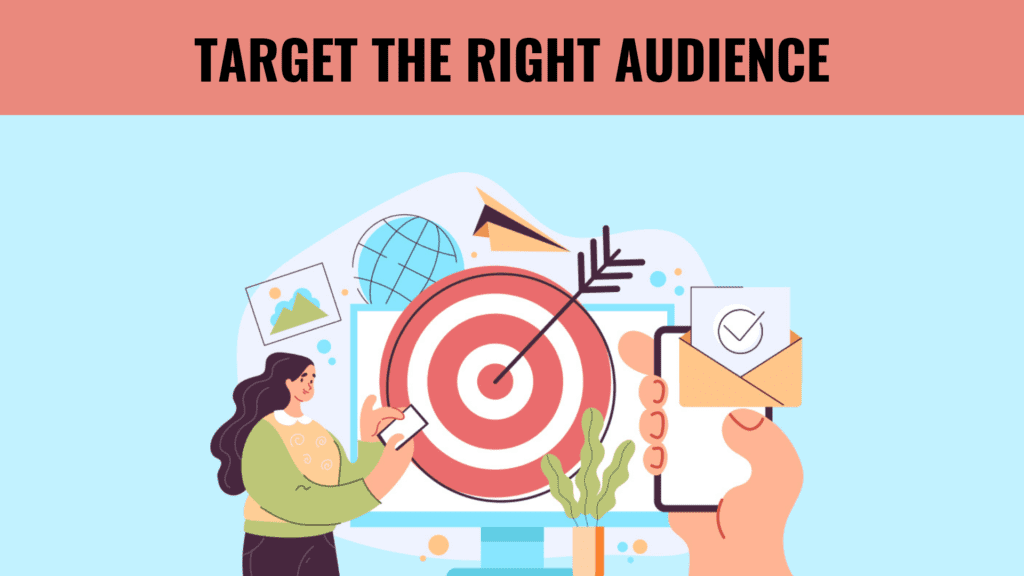
AI-powered ad targeting can help marketers reach the right audience with the right message, increasing the effectiveness of their campaigns. By analyzing customer data, AI can determine which users are most likely to be interested in a particular product or service and target ads to those users.
AI-powered ad targeting can also take into account a user’s behavior and intent, such as their browsing history and search queries. This can help marketers create more relevant and personalized ads that are more likely to resonate with the target audience.
AI can also optimize ad campaigns in real time, adjusting targeting and bidding strategies based on performance data. This can help marketers maximize their return on ad spend and increase their overall ad effectiveness. Performance Max on Google Ads and Advantage+ campaigns on Meta are everyday examples of this that any advertiser can switch on.
4. Marketing Automation

Marketing automation is another area where AI in digital marketing provides significant benefits. AI-powered tools can automate repetitive tasks such as email marketing, social media posting, and ad optimization, freeing up time for marketers to focus on more strategic tasks.
Marketing automation can also help marketers personalize their communications at scale, delivering targeted messages to individual customers based on their behavior and preferences. This can help increase engagement and conversions, as well as reduce the workload on marketers.
AI-powered marketing automation can also provide insights into campaign performance, enabling marketers to optimize their campaigns for better results. By analyzing data on customer behavior, AI can identify areas where campaigns are underperforming and suggest changes to improve their effectiveness.
5. Improved Customer Insights
Finally, AI can provide marketers with deeper insights into customer behavior and preferences. By analyzing large amounts of data, AI-powered algorithms can identify trends and patterns that would be difficult or impossible to detect manually.
For example, AI can analyze social media conversations to identify customer sentiments and preferences, helping marketers understand how customers perceive their brands and products. AI can also analyze customer feedback and reviews to identify common themes and issues, enabling marketers to address customer concerns and improve their products and services.
In addition, AI can provide real-time feedback on campaign performance, enabling marketers to make data-driven decisions about how to optimize their campaigns for better results. By analyzing metrics such as click-through rates, conversion rates, and engagement rates, AI can identify which campaigns are performing well and which ones need improvement. For small teams, this kind of reporting is one of the most underrated uses of AI in digital marketing.
How Small Businesses Can Use AI in Digital Marketing Today
Since this post was first written, generative AI tools such as ChatGPT, Gemini and Canva’s Magic Studio have made these capabilities available to one person businesses, not only large brands. Here are practical ways to use them:
- Draft social media captions, ad variations and email subject lines, then edit them in your own voice.
- Turn one blog post into short video scripts, carousels and a newsletter.
- Use automated bidding and broad audiences in Google Ads and Meta Ads, which run on machine learning.
- Summarise customer reviews and support chats to find the questions people ask most.
- Translate content into Hindi and other Indian languages, then have a fluent speaker check it.
A sensible rule for AI in digital marketing is simple: let the tool produce the first draft, and keep a human responsible for facts, tone and final approval.
Risks to Watch When Using AI in Digital Marketing
AI tools can state wrong facts confidently, repeat bias from their training data, and produce content that sounds like everyone else. Always check claims, and never paste customers’ personal data into public tools.
Follow India’s Digital Personal Data Protection Act, 2023 when you collect and use customer data. For content, Google says in its Search Central documentation that it rewards helpful, people first pages however they are made, so AI drafts still need real expertise and editing.

Getting Started With AI in Digital Marketing: Step by Step
You do not need a data science team to begin. These steps for AI in digital marketing work for a solo creator, a local shop or a small agency.
- Pick one problem. Choose a task that eats your time every week, such as writing captions, replying to common questions or making ad variations.
- Write down how you do it today. Note how long it takes and what a good result looks like, so you can compare later.
- Choose one tool. Start with a free plan of a general assistant or a design tool you already use, rather than buying several subscriptions.
- Give clear instructions. Tell the tool who your customer is, what you sell, the tone you want and the length you need.
- Edit every output. Check facts, prices, offers and brand voice before anything goes live.
- Measure for a month. Compare time saved, engagement or leads against your notes from step 2.
- Keep or drop it. Expand only the uses that clearly help, and stop the ones that do not.
Worked Examples for Small Indian Businesses
Real use cases make AI in digital marketing easier to picture. Here are two simple examples you can adapt.
Example 1: A Clothing Store in Surat
The owner asks an assistant for ten caption ideas for a new festive kurta collection, written in simple English with a few Hindi words. She keeps the three she likes, adds the real price and sizes herself, and schedules them through Meta Business Suite.
Example 2: A Coaching Institute in Patna
The team pastes a month of anonymous student questions into an assistant and asks it to group them by topic. The most common questions become short videos and a FAQ page on the website.
A good prompt for the clothing store could read: “Write five short Instagram captions for a festive cotton kurta collection for women in Gujarat. Friendly tone, under 25 words each, end with a question.” Clear inputs like these produce far more usable drafts than a one line request.
Free AI Tools to Try First
Most AI in digital marketing tasks in this guide can start on free plans. Features change often, so check each tool’s current limits before you plan around them.
- ChatGPT or Gemini: drafts for captions, emails, blog outlines and ad copy.
- Canva: design templates plus built in AI features for images and text.
- Meta Business Suite: schedule posts and see which content performs best.
- Google Ads and Meta Ads: automated bidding and targeting that run on machine learning.
For ready made short videos you can post while you learn these tools, our Instagram business marketing reels ideas guide has plenty of starting points.
AI in Digital Marketing Checklist
Run through this list before you publish anything made with AI.
- Every fact, price and offer has been checked by a person.
- The tone sounds like your brand, not a generic template.
- No customer’s personal data was pasted into a public tool.
- Images do not copy another brand’s logo, product or design.
- The content gives the reader something useful, not only keywords.
- Someone on your team approved the final version.
Common Mistakes to Avoid
Many teams try AI in digital marketing once, get average results and give up. These mistakes are usually the reason.
- Publishing drafts without editing. Raw output often sounds flat and can include errors.
- Vague prompts. “Write a post about my shop” gives generic text, while details about your customer give useful text.
- Ignoring data privacy. Customer phone numbers, addresses and order details should stay out of public tools.
- Not measuring. Without before and after numbers, you cannot tell whether a tool is helping.
A 30 Day Beginner Plan
This plan keeps AI in digital marketing manageable alongside your regular work.
Days 1 to 7: Learn One Tool
Sign up for one free assistant. Practise writing captions and email subject lines for your real products, and save the prompts that work best.
Days 8 to 14: Build a Content Bank
Use your saved prompts to draft two weeks of posts, the simplest everyday use of AI in digital marketing. Edit them, add real photos, and schedule them in advance.
Days 15 to 21: Test Ads or Automation
If you run ads, try automated targeting with a small budget you are comfortable losing while you learn. If you do not run ads, set up quick replies on WhatsApp Business instead.
Days 22 to 30: Review and Decide
Compare time spent and results with your first week. Keep the uses of AI in digital marketing that clearly helped, and write a short note on what to try next month.
India Specific Notes
Indian audiences read and search in many languages, so translation is one of the most valuable uses of AI in digital marketing here. Always have a fluent speaker review Hindi, Tamil, Marathi or other regional language copy, because machine translation can sound unnatural.
WhatsApp is often the main customer channel for Indian small businesses. Use automation for greetings and common questions, but keep a real person available for orders, complaints and payments.
When you collect phone numbers or emails for marketing, tell people clearly how you will use them and let them opt out. This keeps you closer to the spirit of the Digital Personal Data Protection Act, 2023 and builds trust with customers.
More Questions Beginners Ask
Is AI generated content bad for SEO?
Google’s public guidance says it focuses on whether content is helpful and original, not on how it was produced. Thin, unedited content made only to rank is still a problem.
How much should a small business spend on AI in digital marketing?
Start with free plans and pay only when a tool clearly saves time or improves results. Many beginners never need more than one paid subscription.
Conclusion:
Overall, AI in digital marketing offers significant benefits for marketers looking to improve the effectiveness of their campaigns. By leveraging the power of machine learning algorithms, marketers can deliver more personalized, targeted, and effective campaigns that resonate with their target audience. From personalized content and offers to enhanced ad targeting and marketing automation, AI is transforming the way marketers approach digital marketing.
Start small: pick one task, measure the result for a month, and expand AI in digital marketing only where it clearly saves time or improves results.
Read More: Why You Should Consider Mobile Marketing In Your Digital Strategy
FAQs Related To AI in Digital Marketing
What is AI in digital marketing, and how is it different from traditional marketing?
AI in digital marketing refers to the use of machine learning algorithms and other advanced technologies to analyze customer data, predict behavior, and automate marketing tasks. It is different from traditional marketing in that it leverages data-driven insights to deliver more personalized and targeted campaigns, whereas traditional marketing often relies on more broad-based approaches.
What are some specific examples of how AI is being used in digital marketing?
Some specific examples of how AI is being used in digital marketing include personalized content and offers, predictive analytics, enhanced ad targeting, marketing automation, and improved customer insights. For example, AI can analyze customer data to suggest products or services based on individual preferences, optimize ad campaigns in real time, and automate repetitive tasks such as email marketing and social media posting.
What are some benefits of using AI in digital marketing?
Some benefits of using AI in digital marketing include increased personalization, better targeting and segmentation, improved campaign performance, enhanced customer insights, and greater efficiency and automation. AI can help marketers deliver more relevant and engaging content to customers, optimize campaigns for better results, and free up time for more strategic tasks.
Are there any challenges or risks associated with using AI in digital marketing?
Yes, there are some challenges and risks associated with using AI in digital marketing. One potential challenge is the need for high-quality data to train machine learning algorithms effectively. Additionally, there may be concerns about data privacy and security, particularly when dealing with sensitive customer information. Finally, there may be ethical considerations to take into account, such as the potential for AI to reinforce bias or discrimination in marketing campaigns.
How can businesses get started with using AI in their digital marketing campaigns?
Businesses can get started with using AI in their digital marketing campaigns by first identifying their goals and objectives. From there, they can determine which areas of their marketing strategy would benefit most from AI-powered insights or automation. It’s also important to have a solid data infrastructure in place, as well as the necessary expertise to develop and implement AI-powered solutions effectively. Working with a knowledgeable partner or consultant can help businesses navigate these challenges and get the most out of their AI-powered digital marketing efforts.
Read More: How To Use Artificial Intelligence In Digital Marketing?