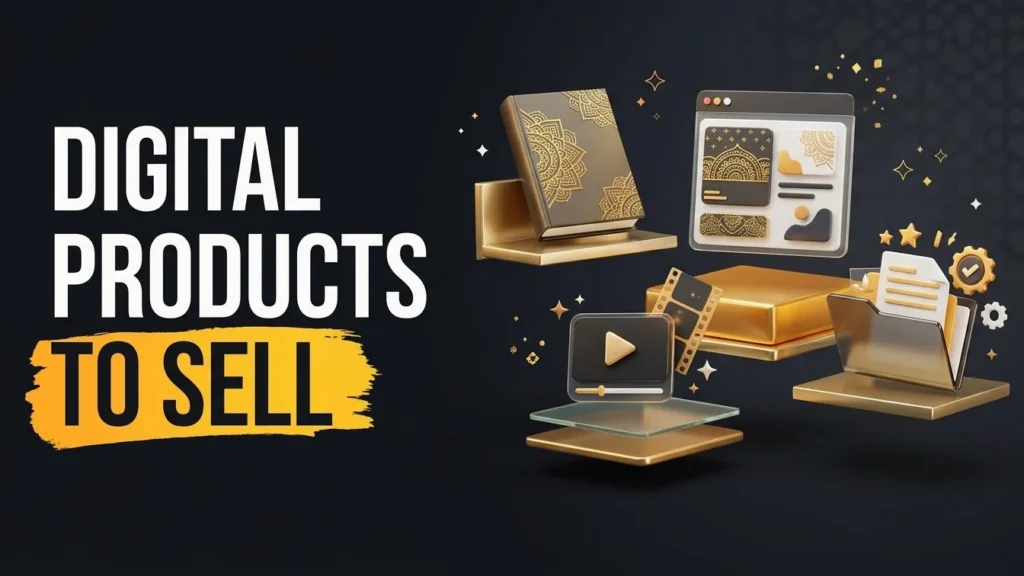
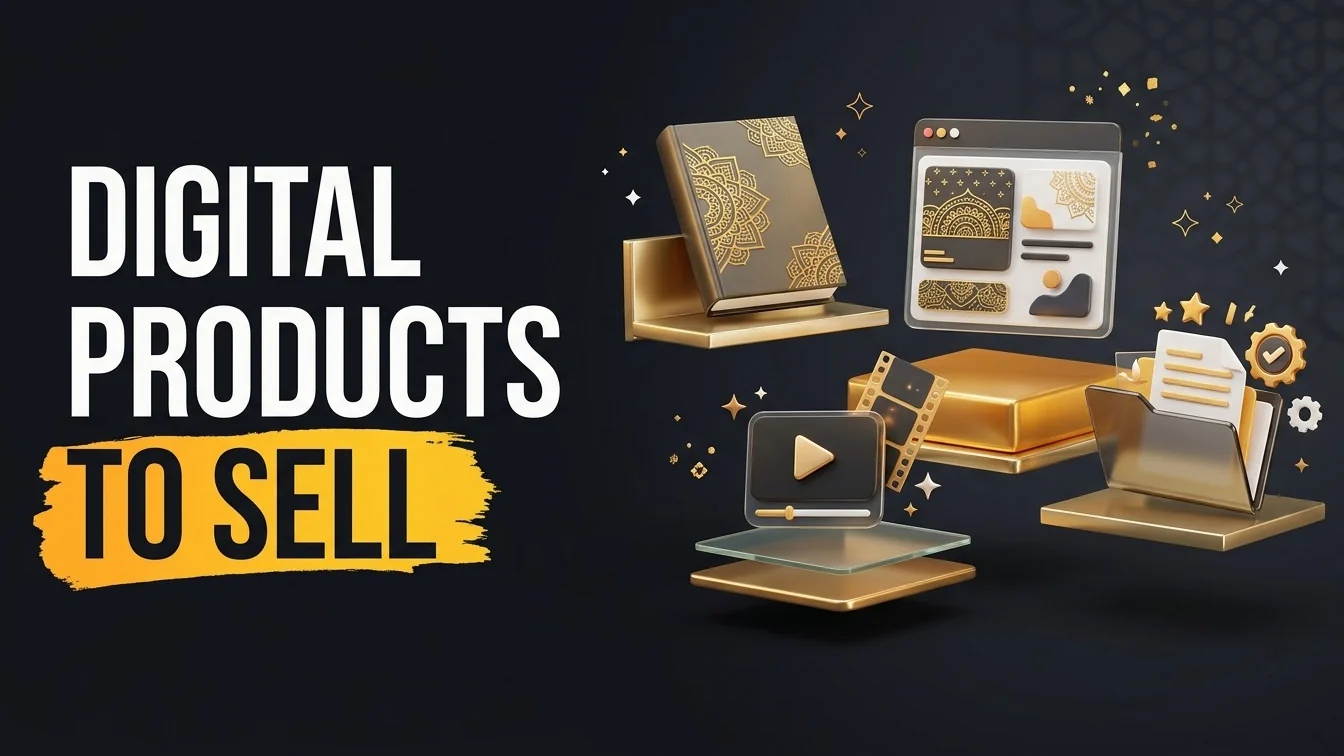
The best digital products to sell in India in 2026 are the ones that solve one clear problem for one clear buyer: ebooks and short guides, Notion and Canva templates, reels and content bundles, design assets, online courses and printable planners. You make them once, sell them many times, and deliver them instantly by email or download link, so there is no stock, no courier and no warehouse.
This guide lists 25 ideas, the buyers who actually pay for each one, the free tools you can use to build them, where to sell, how licences work and a launch checklist. It is written for Indian students, creators and small shop owners who want a realistic plan, not a dream.
One honest note before we start. Even the best digital products to sell only work when people already search for the problem they solve and trust the person selling it. The ideas below are starting points. Your own skill, audience and consistency decide how far any of them go.
What Counts as Digital Products to Sell
A digital product is any file or online access that a buyer pays for and receives without anything being shipped. PDFs, video lessons, template links, ZIP folders of designs, audio files and membership logins all count.
When people search for digital products to sell, they usually mean one of three things:
- Information products: ebooks, guides, checklists, courses and workshops that teach something.
- Tool products: templates, planners, presets and spreadsheets that save the buyer time.
- Asset products: designs, fonts, mockups, reels, stock photos and music that the buyer uses inside their own work.
The difference matters because each type is priced, marketed and licensed differently. Information sells on trust and results, tools sell on convenience, and assets sell on volume and quality. Keep this split in mind as you read the list of digital products to sell further down.
Why Digital Products Suit Indian Creators
India has a few advantages that make digital products to sell a practical side business right now. UPI has made small online payments normal, even for buyers who never owned a credit card. Cheap mobile data means your buyer can download a large file on a phone. And a huge number of students, freelancers and small business owners are learning online skills in English, Hindi and Hinglish.
The cost to start making digital products to sell is also low. You can write an ebook in Google Docs, design a cover in Canva, build a template in Notion and collect payments through a payment link, all on free or entry plans. The real investment is your time and your knowledge.
There are trade offs too. Indian buyers comparing digital products to sell are price sensitive, refund requests are common if the product does not match the promise, and copying is easy. That is why the strongest digital products to sell are specific, honest about what is inside, and backed by a creator the buyer can see and trust.
25 Best Digital Products to Sell in India
Below are 25 digital products to sell, grouped by type. For each group you will see who buys, how to make it with free tools and one thing to watch out for.
Ebooks and Guides (Ideas 1 to 4)
- Exam and interview guides: a focused PDF for one exam or one job interview type, written by someone who cleared it. Students buy these before deadlines.
- Skill starter ebooks: short guides on blogging, freelancing, email marketing or Excel for beginners. Keep them practical with screenshots and checklists.
- Local business playbooks: a guide for a specific trade, such as getting more orders for a home bakery on WhatsApp or setting up Google Business Profile for a clinic.
- Recipe and lifestyle ebooks: regional recipes, budget meal plans or fitness routines, ideally with your own photos.
Ebooks are often the easiest digital products to sell first because you only need writing and a clean layout. Write in the language your audience thinks in. A Hinglish guide for a Hinglish audience will feel friendlier than a stiff English one.
If you later want to turn an ebook into video, the ebook How To Create Your Own Physical Video Products covers choosing a topic, the camera you actually need and scripting, which helps when you upgrade a PDF into a video product with higher perceived value.
Notion and Canva Templates (Ideas 5 to 8)
- Study planners in Notion: syllabus trackers, revision schedules and habit logs for students.
- Creator and freelancer workspaces: content calendars, client trackers and invoice logs in one Notion page.
- Canva social media kits: editable post and story templates for a niche, such as salons, coaching classes or real estate agents.
- Canva resume and portfolio templates: clean, ATS friendly layouts for freshers and designers.
A canva digital product is usually a share link that opens a copy of your design in the buyer’s own Canva account. That keeps delivery simple, but read Canva’s content licence rules before you sell anything built with their stock elements, and make sure your design adds real original work on top.
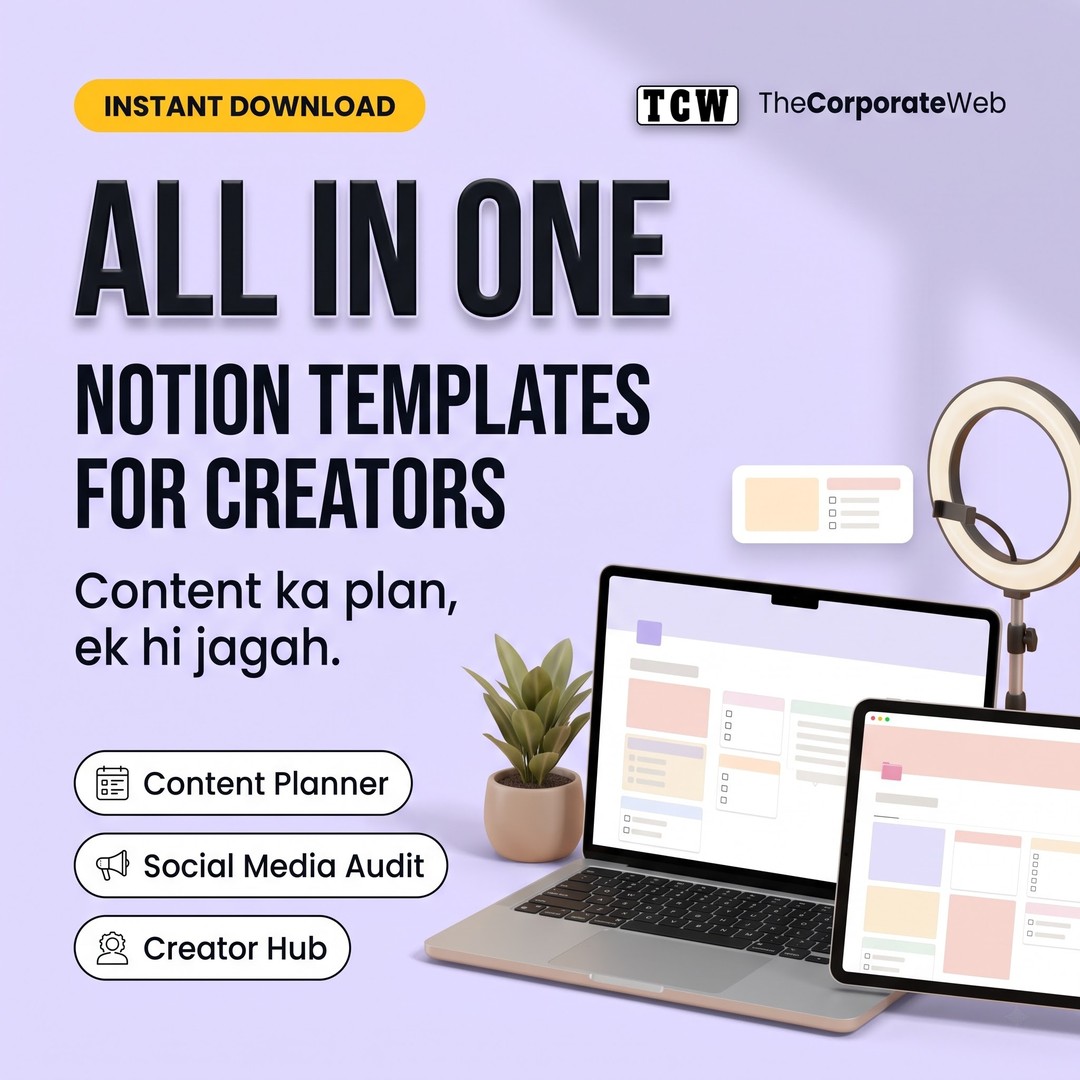
Templates are popular digital products to sell because the buyer sees the value in seconds. For a real example of how a template bundle is structured, look at the All in One Notion Template Bundle, which combines eight templates for content planning, engagement tracking and a simple freelancer CRM in one workspace. Notice how each template is named by the job it does, not by a fancy title.
If templates are your main interest, our separate guide on selling Notion templates in India goes deeper into pricing, demo videos and marketplaces.
Reels and Content Bundles (Ideas 9 to 11)
- Niche reels packs: original short videos for a theme such as fitness, devotion, finance or motivation, made with your own footage or properly licensed material.
- Caption and hook swipe files: a document of tested caption structures, hooks and hashtag groups for one niche.
- Content calendars with prompts: 30 or 90 days of post ideas with scripts for a specific type of business.
Content bundles are useful digital products to sell to busy page owners and small businesses who need to post every day. The key rule is ownership. You can only sell content you created or have clear rights to sell. Never package downloaded videos from other creators, films or TV shows. That is copyright infringement, and it can get your account and payment gateway closed.
Design Assets: T Shirt Designs, Fonts and Mockups (Ideas 12 to 15)
- T shirt and merchandise designs: vector artwork for print on demand sellers.
- Fonts and lettering sets: especially Devanagari and other Indian scripts, which are still underserved.
- Mockups: editable PSD or Canva mockups of T shirts, mugs, packaging and phone screens.
- Icon and illustration packs: Indian festival icons, wedding elements, food and street scenes.
Design assets are strong digital products to sell if you can draw or design, and they keep selling for years when the themes are evergreen. Buyers are other sellers, so they care about file formats, editability and the licence. The 1,00,000+ Editable T Shirt Design Bundle is a good reference for what buyers expect: AI, PSD, EPS, PNG and JPG files, sorted by themes, with mockups to promote the final product.
For theme ideas and how print on demand works end to end, read our guide on print on demand design ideas.
Online Courses and Workshops (Ideas 16 to 18)
- Recorded mini courses: five to ten short lessons that solve one problem, such as editing reels in CapCut or filing a basic ITR.
- Live cohort workshops: two or three live sessions on Zoom or Google Meet with a recording afterwards.
- Language and exam coaching packs: spoken English drills, aptitude practice sets or coding exercises with solutions.
Among all digital products to sell, courses take more effort than an ebook, but they can carry more value because the buyer sees and hears you. Start with a small course on one outcome rather than a giant course on everything. If you are planning one, the ebook Launch Your Online Course walks through building a student avatar, writing an outline, picking a platform and running a prelaunch checklist.
Printables and Planners (Ideas 19 to 22)
- Kids worksheets: tracing, colouring, maths and Hindi alphabet sheets that parents print at home.
- Budget and expense planners: monthly household budgets, wedding budget sheets and savings trackers.
- Wedding and event printables: invitation templates, guest list sheets and checklists.
- Business forms: invoice templates, quotation formats and simple stock registers for small shops.
Printables are simple digital products to sell because buyers understand them immediately. Sell them in A4 size, since that is what Indian home printers and local print shops use, and include a fillable version for people who prefer to type.
Services Packaged as Products (Ideas 23 to 25)
- Audit reports: a fixed format Instagram, website or resume review delivered as a PDF.
- Done for you setups: a fixed scope service like setting up a Notion workspace or a Google Business Profile, sold at a set fee.
- Memberships: a monthly community or resource library, best only after you have an engaged audience.
These hybrid digital products to sell are useful if you have a skill but not yet a big library of files. They also teach you exactly what buyers struggle with, which tells you what product to build next.
How to Validate Digital Products to Sell Before You Build
Building first and asking later is the most common reason a product gets zero sales. Spend a few days checking demand before you spend weeks creating. Validation is cheap, and it saves you from building digital products to sell that nobody actually wants.
- Search check: type your topic into Google and YouTube and read the autocomplete suggestions. Phrases like “template”, “pdf”, “free download” and “kaise kare” show what people look for.
- Comment check: read the comments under popular videos and posts in your niche. Repeated questions are product ideas waiting to be packaged.
- Presale check: describe the product in a story or post and ask interested people to reply or join a waitlist. A handful of genuine replies is a better signal than hundreds of likes.
- Competitor check: if others already sell similar digital products to sell in your niche, that is good news. It proves people pay. Your job is to be clearer, more specific or better suited to Indian buyers.
Keep notes from every check. The exact words buyers use in comments and searches become your product title, your headings and your sales page copy later.
Price Points That Work in India
There is no single correct price, but Indian buyers tend to fall into three bands. These are rough starting points for digital products to sell, not rules, and you should test them with your own audience.
- Impulse band: a small checklist, a single template or a short ebook priced low enough that a student decides in seconds. Good for first sales and building trust.
- Value band: bundles, complete template systems and short courses. Buyers compare a little and read reviews before paying.
- Premium band: cohort courses, memberships and done for you services. These need proof, such as reviews, case studies or a visible audience.
Price on the outcome, not on the number of pages. A two page checklist that saves a shop owner hours every week is worth more to that buyer than a padded 200 page ebook. Avoid fake discounts that never end. Indian consumer rules discourage false urgency, and buyers notice when a timer resets every day.
Students and first time buyers respond well to a free sample. Give away one template or one chapter in exchange for an email address, then offer the full product.
Where to Sell Digital Products
You have three broad options for listing digital products to sell, and many creators use more than one.
Your Own Website
A WordPress site with WooCommerce and an Indian payment gateway gives you full control over pricing, branding and customer emails. It takes more setup, but you own the buyer list and pay no marketplace commission. Our guide on how to sell digital products in India covers the setup step by step.
Creator Platforms and Marketplaces
Platforms such as Instamojo, Gumroad, Payhip and similar Indian creator stores give you a hosted checkout page and file delivery in minutes. They charge a fee per sale, and some features differ by country, so check each platform’s current terms for Indian sellers. Marketplaces like Etsy can work for printables and design assets, but competition is global.
Instagram, WhatsApp and Telegram
Many Indian sellers find buyers through Instagram reels and stories, then share a payment link in the bio or by DM. This works well for small digital products to sell, but always send buyers to a proper checkout with automatic delivery. Manual delivery through DMs does not scale and creates disputes.
If you want a broader view of business models beyond digital files, see our list of ecommerce business ideas and the wider pillar on online business ideas.
Marketing Your Digital Products to Sell Every Week
A product page alone rarely sells. Buyers need to see the problem, the result and you, many times, before they trust a checkout. A simple weekly routine works better than one big launch post.
- Show the product in use: a short screen recording of a template being filled in or a reel being edited explains more than any description.
- Teach one free lesson: share a tip from inside the product. Free value builds the trust that sells paid digital products to sell later.
- Share buyer stories: with permission, post honest feedback and screenshots from real customers. Never invent reviews.
- Collect emails: offer a free sample in exchange for an email address, so you can reach people again without depending on any algorithm.
- Answer questions publicly: turn every common DM question into a post or an FAQ entry.
Over a few months, this routine builds a library of content that keeps sending people to your digital products to sell, even on days you do not post.
Licences: Personal, Commercial and PLR Explained
Every one of your digital products to sell needs a clear licence, because the licence tells buyers what they may and may not do with the files. Most confusion and most disputes come from a missing licence.
- Personal use: the buyer can use the product for themselves only. Typical for planners, Notion templates and study material.
- Commercial use: the buyer can use the files in their own business or client work, for example posting a reel on a client’s page or printing a design on a T shirt they sell. They still cannot resell or share the original files.
- PLR (private label rights): the buyer can edit the content and publish it under their own name, within the limits the seller sets. PLR content is only a starting point. Rewrite it heavily and add your own experience, or it will read like everyone else’s copy.
Put the licence in plain words on the product page and inside the download folder. If your buyers are sellers themselves, like print on demand sellers buying design packs for print on demand sellers, say clearly whether the final printed item can be sold and whether the source files can be shared. Usually the answer is yes to the first and no to the second.
Copyright and IP Mistakes to Avoid
The fastest way to lose a payment gateway or a store is listing digital products to sell that you do not own. Watch for these mistakes:
- Using film, cricket, cartoon or celebrity images and logos in designs or reels. Fan art of famous characters and brands is usually not safe to sell.
- Reselling premium software, themes or courses that you bought for yourself. A personal licence does not allow redistribution.
- Copying another creator’s template or ebook and changing the colours. Indian copyright law protects original works whether or not they are registered.
- Using AI images or music without checking the tool’s terms. Some tools restrict commercial use on free plans.
- Calling a product “official” or using a brand name in a way that suggests a partnership that does not exist.
When in doubt about digital products to sell, create your own artwork, use your own footage and keep records of where every asset came from. That record is your defence if a platform ever asks.
Making Your First Product in a Weekend
You do not need a month to start. Here is a realistic weekend plan for your first of many digital products to sell.
Saturday: Pick, Plan and Build
- Morning: list ten questions people ask you, in comments, DMs or at work. Pick the one you can answer best.
- Midday: search that question on Google and YouTube. If you see guides, videos and forum threads, demand exists.
- Afternoon: outline the product in five to seven sections, then build the first draft in Google Docs, Notion or Canva.
Sunday: Polish, Package and List
- Morning: edit, add screenshots or examples, and design a simple cover.
- Midday: write the product page: who it is for, what is inside, what it does not include, the licence and how delivery works.
- Evening: upload it to your chosen platform, test the checkout yourself, and share it with ten people who asked that question.
Your first version does not need to be perfect. It needs to be honest, useful and easy to buy. Improve it with every piece of buyer feedback.
Launch Checklist for Digital Products to Sell
Before you announce any of your digital products to sell, run through this list:
- The product page states the exact contents, file formats and size.
- The licence is written in plain words.
- Checkout works on mobile with UPI, and the download arrives automatically.
- You have a refund and support policy, and a contact email that you actually check.
- Your business details are visible, and you have checked GST and income tax with a CA.
- You have three to five pieces of content ready that show the product in use.
- You have asked early buyers for honest reviews, without offering anything in return for a positive one.
Strong branding helps buyers remember you between launches. If you want to sharpen that side, our list of books about branding is a good weekend read.
Choosing the Most Profitable Digital Products for You
People often ask which digital products to sell are the most profitable, but profit depends more on fit than on category. A teacher with a loyal following will do better with a course than with T shirt designs. A designer with no audience may do better on a marketplace with assets.
Ask yourself three questions. What do people already ask me for? Where do I already have attention, even a small one? Which format can I make well and update easily? The overlap is your best starting point among all the digital products to sell in this list.
Then commit to one product for at least a few months. Most creators quit too early, after a slow first week, when the real growth comes from steady content, reviews and small improvements over time.
FAQs
Which digital products to sell are best for beginners in India?
Ebooks, checklists and Notion or Canva templates are the easiest digital products to sell when you are starting. They need only free tools, they are quick to make and buyers understand them instantly. Pick a topic you already know well.
Do I need GST registration to sell digital products?
It depends on your turnover, where your buyers are and how you sell, and the rules for online services can differ from goods. Read the official information on the GST portal and confirm your situation with a chartered accountant before you scale.
Which payment gateway should I use?
Choose a gateway that supports UPI, cards and net banking, approves digital goods and settles to an Indian bank account. Compare fees, settlement time and how they handle disputes. Hosted creator platforms bundle a gateway, which is simpler at the start.
How should I handle refunds?
Write a clear refund policy before your first sale. Many sellers offer refunds only for broken files or wrong products, since digital files cannot be returned. Whatever you choose, state it on the product page and honour it consistently.
Can I sell digital products without an audience?
Yes, but expect it to be slower. Marketplaces and search engines can bring buyers, and helpful free content on Instagram, YouTube or a blog builds an audience over time. Building attention and building digital products to sell usually happen together.
How long does it take to make the first sale?
Some creators sell to friends or followers in the first week, while others take several months. Treat the first few months as learning time, keep improving the product and the page, and avoid anyone who promises guaranteed sales.