How Do NFTs Work?
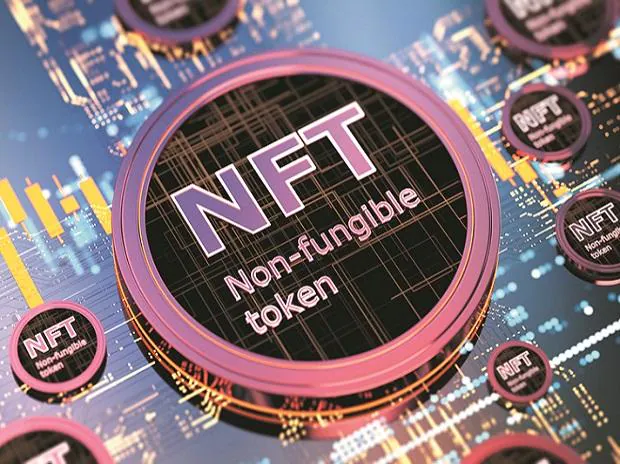
How do NFTs work, and why can a digital picture be “owned” at all? An NFT, or non fungible token, is a unique record on a blockchain that points to a digital item and shows who owns that record.
“Non fungible” means it cannot be swapped one for one like a rupee coin or a bitcoin. Every NFT has its own ID, so each one is different.
Because NFTs hold a value set by the market and demand, they can be bought and sold, a bit like a physical piece of art or a collectible card.
Related Post: What is NFT and How Does NFTs Work?
How Do NFTs Work on a Blockchain?
NFTs exist on a blockchain, a distributed public ledger that records transactions. You probably know blockchain as the technology behind cryptocurrencies.
Most NFTs live on Ethereum, though other blockchains such as Polygon and Solana support them as well. The official ethereum.org guide to NFTs explains the technical side in simple language.
Each NFT is created by a smart contract, a small program on the blockchain. The contract records the token ID, the current owner’s wallet address and a link to the item’s details, called metadata.
Because the ledger is public, anyone can check who owns a token and the full history of transfers. That is the core answer to how do NFTs work: the blockchain keeps a shared, tamper resistant record of ownership.
Key Terms You Need to Know
Many NFT guides use words that confuse beginners. Here is a plain language glossary.
- Blockchain: a shared record of transactions kept by many computers, so no single company controls it.
- Token: a digital unit recorded on a blockchain. An NFT is one kind of token.
- Smart contract: a small program on the blockchain that follows fixed rules, such as transferring a token when payment arrives.
- Minting: creating a new NFT by recording it on the blockchain for the first time.
- Wallet: an app or device that holds the keys controlling your tokens.
- Recovery phrase: a list of words that can restore your wallet. Anyone who has it controls your assets.
- Gas fee: the network fee paid to process a transaction on blockchains like Ethereum.
- Metadata: the details attached to an NFT, such as its name, description and a link to the image or video.
Keep this list handy while you read the rest of the guide. Most questions about how do NFTs work come back to one of these terms.
Token standards in simple words
On Ethereum, most NFTs follow shared technical standards called ERC 721 and ERC 1155. A standard is like a common format, so wallets and marketplaces can all read the same tokens.
ERC 721 is used for one of a kind items, while ERC 1155 can handle many copies of the same item as well as unique ones, which is useful for game items and tickets. Knowing this helps explain how do NFTs work across so many different apps.
What Can Be Turned Into an NFT?
NFTs are generated, or “minted”, from digital objects that represent tangible and intangible items, including:
- Art
- GIFs
- Videos and sports highlights
- Collectibles
- Virtual avatars and video game skins
- Designer sneakers
- Music
- Event tickets and memberships
Even tweets count. Jack Dorsey, the co founder of Twitter, sold an NFT of his very first tweet for about $2.9 million in 2021. It later failed to attract anything close to that price when it was put up for resale, which shows how quickly NFT prices can change.
How Do NFTs Work When You Buy One?
Here is the usual journey, step by step:
- Get a crypto wallet. The wallet holds your tokens and lets you sign transactions.
- Add cryptocurrency. Most marketplaces need a coin such as ETH to pay for the NFT and the network fee.
- Choose a marketplace. Platforms like OpenSea list NFTs from many creators.
- Buy or bid. When the sale completes, the smart contract moves the token to your wallet address.
- Check ownership. You can see the token in your wallet and on a public blockchain explorer.
Selling works the same way in reverse: you list the NFT, a buyer pays, and the contract transfers the token to them.
How Do NFTs Work for Creators? A Step by Step Example
Imagine Kavya, a digital illustrator in Bengaluru, who wants to release a small series of her own artwork as NFTs. Here is how the process usually looks from a creator’s side.
- Prepare original work. She uses only artwork she created herself, so there is no copyright problem.
- Set up a wallet. She creates a wallet, writes the recovery phrase on paper and stores it offline.
- Choose a blockchain and marketplace. She compares fees, because some networks charge far lower transaction costs than others.
- Mint the tokens. She uploads each image, adds a title and description, and the platform records the token on the blockchain.
- Set price and terms. She chooses a fixed price or an auction, and checks whether the platform supports creator royalties.
- Promote honestly. She shares the collection with her existing audience and explains clearly what buyers receive.
Many creators find that how do NFTs work in practice depends heavily on community. Without real fans who care about the art, most collections attract few buyers.
For buyers, this example also shows how do NFTs work from the other side: each token you see on a marketplace was minted by someone through a similar process.
Where the files are actually stored
Most NFTs do not store the image itself on the blockchain, because that would be very expensive. Instead, the token points to a file stored elsewhere.
Some projects use decentralised storage networks such as IPFS so the file stays available even if one server goes down. Before buying, it is worth checking where the file lives, because storage is a quiet but important part of how do NFTs work over the years.
What Do You Actually Own?
NFTs are essentially digital versions of collector’s items. The buyer gets a token linked to a digital file rather than a physical painting to hang on the wall.
Owning an NFT usually does not mean owning the copyright of the artwork. Unless the creator’s licence says otherwise, the artist keeps the copyright, and you own the token itself.
The unique data of NFTs makes it easy to verify ownership and transfer tokens. Creators can store information inside them too; for instance, artwork can include the artist’s signature in the NFT’s metadata.
Some smart contracts also include creator royalties, a share of later sales paid to the artist, though not every marketplace enforces them.
Risks to Understand Before You Buy
- Price swings: NFT prices can rise or fall sharply, and many lose most of their value.
- Scams: fake collections, copied art and phishing links are common.
- Lost access: if you lose your wallet recovery phrase, nobody can restore it for you.
- Broken links: if the file is stored on a server that shuts down, the token may point to nothing.
- Taxes: India taxes income from virtual digital assets, which can include NFTs, under special rules, so check the current rules with a tax professional.
This article is for learning only and is not investment advice. If you are building long term savings, our Wealth Building Habits guide covers money basics first.
Questions to ask before buying any NFT
- Who created this collection, and can I verify them from their official profiles?
- What exactly do I receive: only the token, or also usage rights?
- Where is the file stored, and what happens if that service closes?
- What fees will I pay to buy, and again if I sell later?
- Would I still be happy to hold it if its price fell to zero?
Answering these questions turns a vague idea of how do NFTs work into a clear view of what you are paying for. If you cannot answer one of them, wait and research further.
How Do NFTs Work in India? Rules and Practical Notes
NFTs are legal to create and trade in India, but they sit in a space with special tax treatment and limited consumer protection. The Income Tax Act includes rules for virtual digital assets, and these can cover NFTs.
Tax rules for these assets are strict and can change with each Budget, so check the latest position on the official Income Tax Department website or with a chartered accountant before you buy or sell. Keep a record of every purchase, sale and fee.
Most NFT marketplaces are global, so payments, support and disputes may not fall under Indian consumer law in the way a local shop would. Understanding how do NFTs work legally is just as important as understanding the technology.
In short, treat NFTs as a high risk digital asset. Learn how do NFTs work and how they are taxed before you put any money in.
Safety checklist before any NFT transaction
- Use only the official website or app of a marketplace, typed directly or bookmarked
- Never share your recovery phrase with anyone, including “support staff”
- Check the collection’s official links from the creator’s verified profiles
- Read exactly what the smart contract will allow before you approve it
- Start with a small amount you can afford to lose completely
- Keep screenshots and records of every transaction for tax purposes
How Do NFTs Work Compared With Other Digital Purchases?
It helps to compare NFTs with things you already buy online. When you buy a movie on a streaming app, the company keeps a record of your purchase on its own servers, and you cannot resell it.
With an NFT, the record of ownership sits on a public blockchain instead of one company’s database. You can usually move or sell the token to someone else without asking the original platform.
That difference is the main reason people ask how do NFTs work at all. It also explains the risk: with no central company in charge, nobody can reverse a mistake or recover a stolen token for you.
- Ownership record: kept on a public blockchain, not a private database.
- Resale: usually possible on any compatible marketplace.
- Support: limited, because transactions cannot be undone.
- Value: set entirely by what other people are willing to pay.
Once you see this comparison, the question of how do NFTs work becomes much simpler: they are transferable proof of ownership, with all the freedom and risk that comes with it.
Common Mistakes Beginners Make With NFTs
Beginners who are still learning about NFTs often make the same costly errors:
- Buying because of hype. A trending collection can lose most of its value within weeks.
- Assuming copyright comes with the token. It usually does not, as explained above.
- Ignoring fees. Gas fees and marketplace charges can be larger than expected on small purchases.
- Clicking airdrop links. Free NFTs sent to your wallet are sometimes bait for phishing sites.
- Minting someone else’s work. This can break copyright law and get your account banned.
A 30 Day Plan to Understand NFTs Without Risking Money
You can learn how do NFTs work properly before spending anything. Try this simple plan.
- Week 1: read the ethereum.org NFT guide and the Wikipedia overview, and note any terms you do not understand.
- Week 2: browse a few marketplaces without connecting a wallet, and study how listings show prices, history and owners.
- Week 3: look up a few NFTs on a public blockchain explorer and trace their transfer history.
- Week 4: read the terms of one collection carefully, including what rights buyers receive, and decide whether NFTs suit your goals at all.
At the end of the month you will understand the technology clearly, whether or not you ever buy one.
If you are a creator, repeat the plan from the minting side by reading how do NFTs work on two or three marketplaces and comparing their fees and rules.
Signs you have understood the basics
You should be able to explain what a wallet, a smart contract and minting are in one sentence each. You should also know where an NFT’s file is stored and what rights the buyer gets.
If a friend asks you how do NFTs work and you can explain it in two minutes without jargon, you are ready to make informed decisions.
Real uses beyond digital art
NFTs are also tested for event tickets, memberships, certificates and in game items. In each case the idea is the same: a unique token proves that a particular wallet holds a particular right or item.
Whether these uses last depends on real demand, not on the technology alone. Watching these projects is a useful way to see how do NFTs work outside the art market.
Recent Post: What Are Benefits Of NFTs?
How Do NFTs Work: Quick FAQs
Is an NFT the same as cryptocurrency?
No. Cryptocurrency coins are interchangeable, while every NFT is unique. Both use blockchains, and NFTs are often bought with cryptocurrency.
Can I make my own NFT?
Yes. Many marketplaces let creators mint NFTs from their own art, music or video. Only mint work you created or have the rights to.
How do NFTs work for artists and creators?
A creator uploads a file to a marketplace, mints it as a token and sets a price or auction. When it sells, the payment goes to the creator’s wallet, and royalties may apply on later sales if the platform supports them.
How do NFTs work in games?
Some games use NFTs for items such as skins, characters or land, so players can trade them outside the game. Their value depends entirely on whether people keep playing and wanting those items.
Where can I learn more?
The Wikipedia article on non fungible tokens gives a neutral overview of the history and debates around NFTs.
Do I need cryptocurrency to buy an NFT?
On most marketplaces, yes. Some platforms accept cards, but the purchase is still recorded on a blockchain in the background.
What happens to my NFT if the marketplace shuts down?
The token stays on the blockchain in your wallet. However, the file it points to may disappear if it was stored on the marketplace’s own servers.
Can NFTs be copied?
Anyone can copy the image file, but they cannot copy the token’s ownership record on the blockchain. That record is what the buyer owns.
Is it safe to buy NFTs?
NFTs carry high risk, including price crashes and scams. Learn the basics first, use official sites only and never spend money you cannot afford to lose.
Conclusion: How Do NFTs Work?
NFTs are unique tokens on a blockchain that record ownership of a digital item. Smart contracts create and transfer them, and the public ledger lets anyone verify who owns what.
They are minted from digital objects that represent tangible and intangible items. Understanding how do NFTs work, and their risks, is the first step before you create, buy or sell one.