

Mobile marketing is now a vital part of any successful digital marketing strategy. In India especially, the smartphone is where people search, shop, pay and chat, often all within a few minutes.
That shift has made the phone the first screen for businesses of every size. In this blog, we explain why your digital strategy should start with phones, which channels work best in 2026 and how to begin without a big budget.
What Is Mobile Marketing?
Mobile marketing refers to any marketing activity that is carried out on a mobile device, such as a smartphone or tablet. It covers messages, ads, apps, short videos, search results and the checkout pages people see on their phones.
For many Indians the phone is the main, and often the only, way to go online. Affordable data, UPI payments and apps like WhatsApp, Instagram and YouTube have made the small screen the place where buying decisions start. For a general overview of the field, see Wikipedia’s page on mobile marketing.
Why You Should Consider Mobile Marketing in Your Digital Strategy
1. People Spend More Time on Phones Than on Any Other Screen
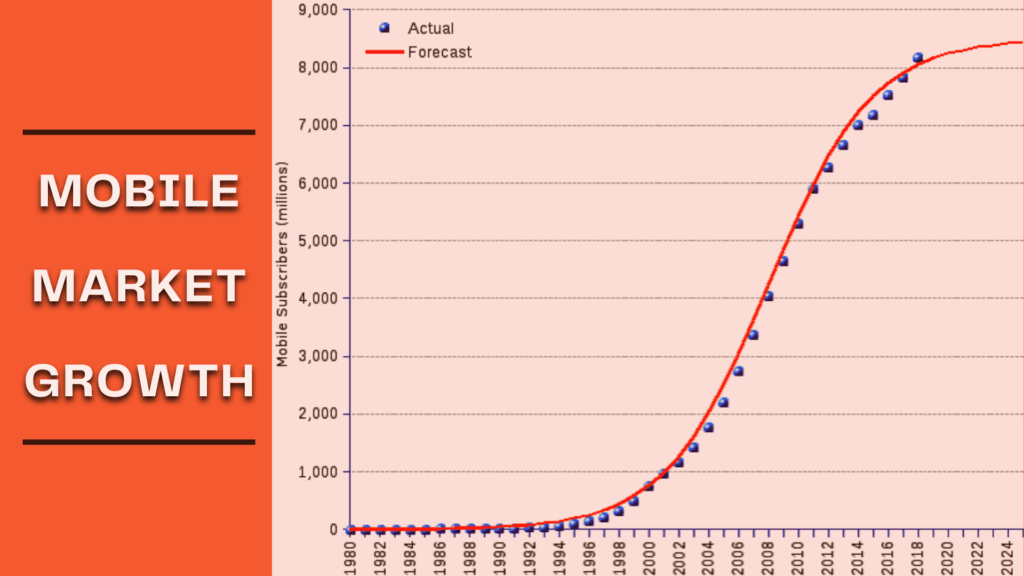
The main reason to invest in mobile marketing is simple: your customers spend a large part of their day on their phones. Morning news, office chats, reels during a break and late night shopping all happen on the same device.
More screen time means more chances to be seen. By planning campaigns for phones first, you reach a larger audience and make it easier for people to act on the spot.
2. Mobile Marketing Is Cost Effective
Another benefit is cost. Many channels, such as WhatsApp messages to customers who opted in, organic reels and a Google Business Profile, cost little or nothing beyond your time.
Paid options can also start small. You can run phone ads with a modest daily budget, test what works and scale only the winners. Direct channels such as SMS and push notifications reach people on the device they check most, which suits time sensitive offers.
3. It Is Highly Targeted
Paid mobile marketing lets you target people by location, language, interests, device and time of day. This helps you build campaigns that feel relevant instead of random.
For example, a local business can use location targeting to reach people within a few kilometres of the shop. This works especially well for bringing walk in customers to a store, salon or restaurant.
4. Mobile Marketing Offers a Variety of Channels
There are many ways to reach people on their phones. Some of the most common formats include:
- Mobile search ads: ads at the top of search results when someone searches for a specific keyword on their phone.
- Mobile display ads: banner and video ads shown on websites and inside apps.
- Text message marketing: promotional or service SMS sent to customers who agreed to receive them.
- Push notifications: short alerts from your app or website that appear on a user’s screen.
- In app advertising: ads placed inside other apps, such as banners or full screen ads.
Using a few of these together lets you reach your audience wherever they are, in the format they respond to best.
5. It Improves Customer Engagement
Phones are personal, so a well timed message feels like a conversation rather than an ad. Personalised offers, order updates and quick replies on WhatsApp build trust and repeat business.
For example, you can send a reminder when someone leaves items in their cart, or a thank you note with a useful tip after a purchase. Keep it helpful, and always respect the customer’s choice to opt out.
These channels also give you useful data, such as which offers get clicks and when people are most active. Use it to make future campaigns more targeted and more relevant.
6. Phones Are Where People Buy
Finally, mobile marketing can be a highly effective way to drive conversions. When the ad, the landing page and the payment all work smoothly on a phone, fewer people drop off before buying.
Build landing pages that load fast on phones, keep forms short and support UPI at checkout. Offers made only for app users, such as a small extra discount, can also nudge people to complete a purchase.
8 Proven Mobile Marketing Channels for Indian Businesses in 2026
Knowing why phones matter is half the job. Here are eight channels that work well in India right now, with a simple tip for each.
1. WhatsApp Business
Most Indian customers already use WhatsApp every day. Set up a free WhatsApp Business profile with your catalogue, quick replies and business hours, then add a click to chat button on your website and Instagram bio.
2. Instagram Reels and YouTube Shorts
Short vertical videos are among the most watched content on phones. Post useful or entertaining clips regularly, and read our guide to the best time to post reels on Instagram to get more views from each one.
3. Mobile SEO
Google mainly uses the mobile version of your website to index and rank it, so a slow or broken phone layout hurts your rankings everywhere. Make pages load fast, use readable text sizes and keep buttons easy to tap.
4. Google Business Profile
When someone searches “near me” on their phone, local results with maps, reviews and a call button often appear near the top. A complete profile with photos, correct hours and genuine reviews is free and can bring direct calls and visits.
5. SMS Marketing
SMS still reaches people who rarely use apps. In India, commercial SMS must go through a sender registered on the DLT platform under TRAI rules, so work with a compliant provider and message only customers who agreed to hear from you.
6. Mobile Search Ads
Google Ads lets you show ads on phones, adjust bids by device and add a call button so people can ring you straight from the results. Start with a small budget on a handful of keywords that show clear buying intent.
7. Push Notifications and Apps
If you have an app, or a website with web push, notifications can bring people back for new stock, price drops or order updates. Send them sparingly, because too many alerts make people switch them off.
8. Phone Friendly Email
Many people read email on their phones, so use a single column layout, a short subject line and one clear button. Test every campaign on your own phone before you send it.
Want ready playbooks for these channels? Social Media Marketing Revolution is a practical guide to growing on social platforms, and our Instagram business marketing reels ideas give you 50 ready topics to film.
Mobile Marketing Examples for Indian Businesses
Here is how three different businesses could put these channels together. Use them as patterns, then adapt the details to your own customers.
Example 1: A neighbourhood salon
The salon completes its Google Business Profile with photos, prices for common services and correct hours. It posts two short reels a week showing real makeovers, with the client’s permission.
Every reel and the profile carry a WhatsApp link for bookings, so a customer can go from discovery to appointment without leaving the phone. That is mobile marketing at its simplest: be found, show proof, make it easy to act.
Example 2: An online store selling handmade jewellery
The store checks that product pages load quickly on a basic phone and that UPI works at checkout. It uses Instagram for discovery, WhatsApp for questions and email for order updates.
For people who leave without buying, the store runs a small retargeting campaign on Instagram. Its mobile marketing budget goes only to products that already sell well from organic posts.
Example 3: A local tuition centre
The centre shares one short exam tip a day as a WhatsApp Status and posts the same clip as a YouTube Short. A missed call or WhatsApp number on every post makes enquiries simple for parents.
Before exam season, it sends one SMS to parents who registered earlier and agreed to updates, through a DLT compliant provider. A single, useful message often works better than repeated reminders.
Free Mobile Marketing Tools to Start With
Most of the basics cost nothing beyond your time:
- WhatsApp Business app: catalogue, quick replies, labels and away messages
- Google Business Profile: local search, maps, reviews and a call button
- PageSpeed Insights: a free Google tool that shows how fast your pages load on phones
- Instagram and YouTube analytics: see which videos keep people watching
- Canva and CapCut: make vertical graphics and short videos from your phone
Once these are in place, paid tools such as SMS gateways or push notification services make more sense, because you already know what your customers respond to.
How to Start Mobile Marketing on a Small Budget
You do not need an agency to begin. Follow these steps in order and review them every month.
- Test your website on your own phone: speed, text size, buttons and checkout.
- Set up WhatsApp Business and a Google Business Profile.
- Pick one content channel, Reels or Shorts, and post on a fixed schedule.
- Collect phone numbers and email addresses only with clear consent.
- Spend on phone ads only after your organic posts show what people like.
- Check results every month and drop what does not work.
Your First 30 Days of Mobile Marketing
A short plan keeps the work focused. Spread the steps above over four weeks like this:
Week 1: Fix the basics
Open your website on two or three different phones, including an older one. Fix slow pages, small text and buttons that are hard to tap, and make sure checkout works end to end.
Week 2: Set up free channels
Create or update WhatsApp Business and your Google Business Profile. Add the same phone number, address and hours everywhere so customers never see conflicting details.
Week 3: Start posting
Pick one video channel and post three short videos a week. Track which topics bring messages, calls or website visits, not just views.
Week 4: Review and test one paid idea
Look at what brought real enquiries. If one topic or offer clearly works, test a small paid campaign around it for a week before you spend more on mobile marketing.
Common Mobile Marketing Mistakes to Avoid
- Sending messages to people who never agreed to receive them
- Too many notifications or WhatsApp broadcasts in a short time
- Landing pages that look fine on a laptop but break on a phone
- Long forms that ask for details you do not really need
- Ads in English only when your customers prefer Hindi or a regional language
- Tracking views and likes but not calls, messages and sales
Each of these makes people ignore you or switch off alerts. Avoiding them often improves results more than a bigger budget does.
India Specific Notes
Commercial SMS and calls in India are regulated by TRAI. Messages must go through registered headers and templates on the DLT platform, and customers who have chosen not to receive promotional messages must be respected.
India’s Digital Personal Data Protection Act, 2023 also sets rules on collecting and using personal data such as phone numbers. Treat this as general awareness, not legal advice, and check the current rules or ask an expert before you build large contact lists.
Language matters too. A mobile marketing message in the customer’s own language, written simply, is usually clearer than a polished English one, so test both if your audience is mixed.
Mobile marketing checklist
- Website passes a phone test for speed, text and checkout
- WhatsApp Business and Google Business Profile are complete
- Every contact list was built with clear consent
- One video channel has a fixed posting schedule
- Results are checked monthly against calls, messages and sales
Quick Answers on Mobile Marketing
Is mobile marketing only for big brands?
No. Small shops often gain the most, because free tools like WhatsApp Business and Google Business Profile already reach local customers on their phones.
Which mobile marketing channel should I start with?
Start where your customers already talk to you. For most Indian small businesses that means WhatsApp, followed by short videos on Instagram or YouTube.
How do I measure results?
Count actions, not just reach: calls, WhatsApp chats, form fills, orders and repeat purchases. Compare them month by month to see what to keep.
Conclusion
Mobile marketing has become a critical part of any successful digital marketing strategy. With most Indians coming online through their phones, businesses that ignore the small screen risk missing a large audience.
By building for phones first, you gain lower costs, sharper targeting, more channels, better engagement and more conversions. Just stay current, because apps, platforms and rules change quickly.
Keep testing your campaigns, watch what competitors do and improve something every month. With the right approach, mobile marketing can help you achieve your business goals and reach more people than ever before.
Read More: Why Video Marketing Is Essential for Your Business
FAQs Related To Mobile Marketing
What is mobile marketing?
It is any marketing activity carried out on a mobile device such as a smartphone or tablet, including SMS, WhatsApp messages, app ads, mobile search ads, short videos and websites built for phones.
Why is mobile marketing important in a digital strategy?
Because most of your customers search, shop and pay on their phones. It is affordable, highly targeted and offers many channels that improve engagement and conversions.
Which channels work best for mobile marketing in India?
WhatsApp Business, Instagram Reels, YouTube Shorts, a Google Business Profile, mobile search ads, SMS through a DLT registered sender and phone friendly email are the most practical starting points.
How can businesses improve customer engagement on phones?
Send personalised, useful messages, reply quickly on WhatsApp and use what customers click on to make future offers more relevant.
Can phone based campaigns drive conversions?
Yes. Fast landing pages, short forms, UPI at checkout and offers made only for phone users all make it easier for people to buy.
Why should I keep up with mobile marketing trends?
Apps, ad platforms and rules change often. Staying current helps you use new features, follow regulations and keep your campaigns effective.
Read More: 14 Mobile Marketing Tips That Drive Leads and Sales