
These local SEO tips will help a shop, clinic, coaching centre or service business show up when people nearby search on Google or Google Maps. Local SEO, or search engine optimization, plays a critical role in maximizing your online presence, allowing you to reach potential customers in your local area.
Optimizing your website and online listings can increase your visibility and attract more visitors to your business. Below are six practical local SEO tips, updated for 2026, with examples for Indian businesses.
Tip #1 – Claim and Optimize Your Google My Business Listing

Google My Business (now called Google Business Profile) is a free tool from Google that allows businesses to manage their online presence across the search engine and Google Maps. Claiming and completing your profile comes first among all local SEO tips, because it is what people see in Maps. By doing so, you can ensure that your business appears in Google’s “Local Pack” (the top 3 local search results) when users search for keywords related to your business.
To claim and optimize your Business Profile, follow these local SEO tips:
- Log in to your Google account and open Google Business Profile, or search for your business on Google Maps.
- Choose to add your business, or claim it if Google already shows a listing for it.
- Fill out all the necessary information, including your business name, address, phone number, website URL, hours of operation, and business category.
- Verify your listing using the method Google offers you, such as a phone call, SMS, email or a short video.
- Optimize your listing by adding photos, your products or services, a clear description and regular updates.
Google’s official Business Profile Help Centre explains each field and the current verification options. A simple rule here: pick the most specific primary category you can, because it strongly shapes which searches you appear for.
Tip #2 – Use Local Keywords on Your Website

Optimizing your website for local keywords is critical for local SEO success. Local keywords are specific phrases that include the name of your city or region, such as “best pizza in Indore” or “plumber in Pune”. By following local SEO tips like this one, you help Google understand the location of your business and improve your visibility in local search results.
To use local keywords on your website, follow these local SEO tips:
- Conduct keyword research to identify relevant local keywords for your business.
- Include local keywords in your website’s page titles, meta descriptions, headers, and content.
- Create a separate page for each branch or city you serve, with real details for that location.
- Use structured data markup to help Google understand the location of your business.
One of the most useful local SEO tips is to use the words customers actually say. Someone in Delhi may search “AC repair near me”, “AC service Rohini” or “AC thik karne wala”, so your page should naturally cover the main versions.
Tip #3 – Build Citations and Backlinks
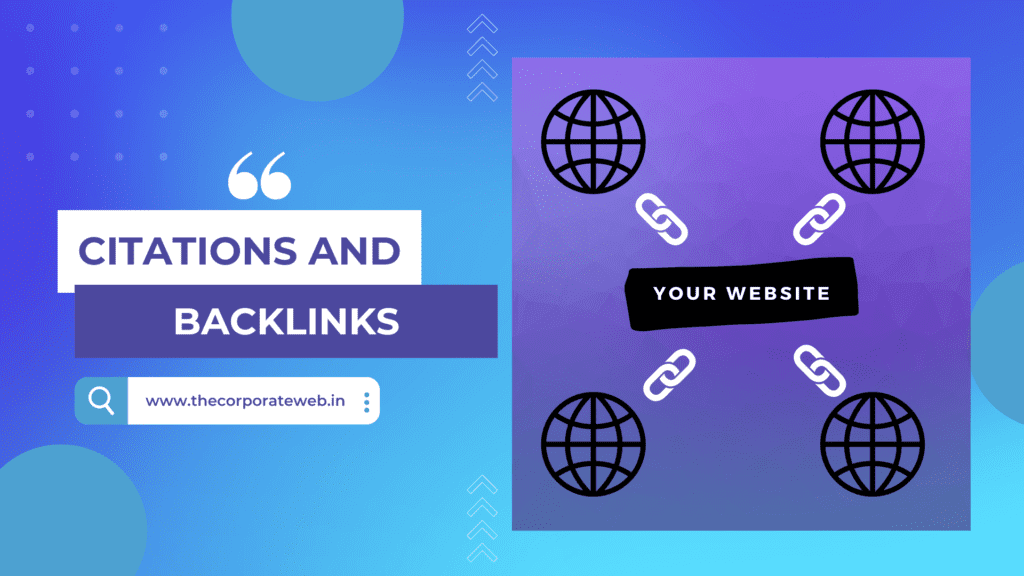
Citations and backlinks feature in almost every list of local SEO tips, and for good reason. Citations are online mentions of your business name, address, and phone number (NAP) on other websites, while backlinks are links from other websites to your website. Building citations and backlinks can help increase the authority and trustworthiness of your website in the eyes of Google, which can improve your rankings in local search results.
To build citations and backlinks, follow these local SEO tips:
- List your business on trusted Indian directories and review sites, such as Justdial, Sulekha and IndiaMART, plus TripAdvisor or Zomato if you run a hotel or restaurant.
- Ensure that your NAP information is consistent across all online listings and directories.
- Build relationships with other local businesses and bloggers in your industry, and ask for backlinks to your website.
- Create valuable, shareable content that other websites will want to link to.
Tip #4 – Encourage Online Reviews
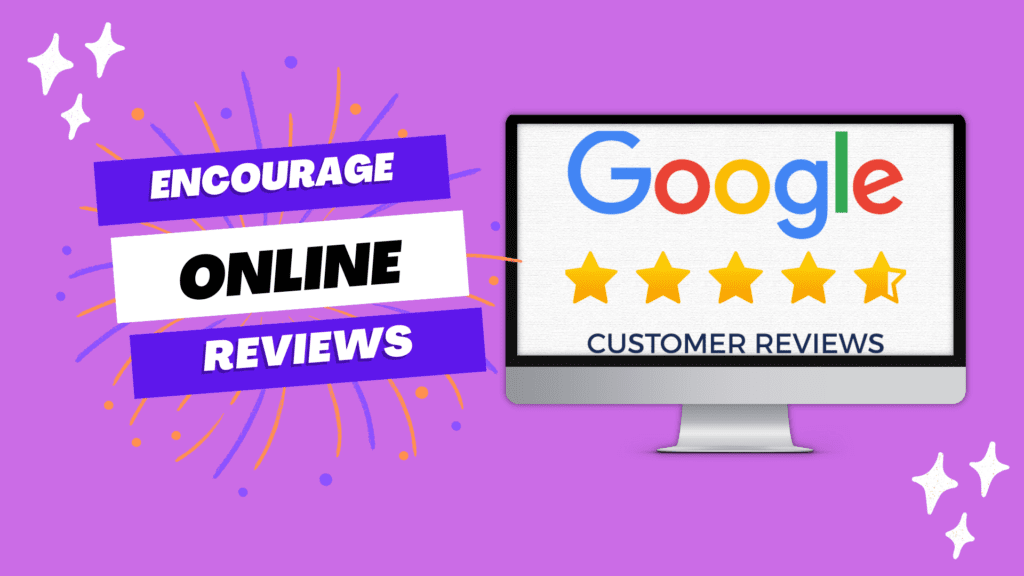
Of all local SEO tips, reviews are the one customers notice most. Positive reviews can improve your rankings in local search results, while negative reviews can hurt your visibility and reputation. Encouraging online reviews from satisfied customers can help improve your online reputation and attract new customers to your business.
To encourage online reviews, follow these local SEO tips:
- Claim and complete your listings on review sites, starting with your Google Business Profile.
- Ask satisfied customers to leave reviews on these sites, either in person or through email follow-ups.
- Respond to both positive and negative reviews in a professional and courteous manner.
- Use reviews to improve your business operations and customer service.
Never buy reviews or offer discounts in exchange for them. Google’s policies forbid incentivised and fake reviews, and they can be removed or harm your listing. A short WhatsApp message with your review link, sent after a good experience, works well and stays honest. Honest reviews are one of the local SEO tips that also build real trust.
Tip #5 – Use Social Media to Your Advantage

Social media is an excellent tool for maximizing your online presence. It is not a direct ranking factor, but the other local SEO tips work better when people already recognise your brand. By maintaining an active social media presence, you can engage with your audience, build brand awareness, and drive traffic to your website.
To use social media to your advantage, follow these local SEO tips:
- Choose the right social media platforms for your business and target audience.
- Create a social media content strategy that includes a mix of promotional content, educational content, and engaging content.
- Use local hashtags to improve the visibility of your social media posts.
- Engage with your audience by responding to comments and messages in a timely manner.
- Use social media advertising to reach a larger audience and promote your business.
Short local reels work well here, such as a behind the scenes look at your shop or a quick tip from your field. Our guide to Instagram business marketing reels ideas has formats you can reuse.
Tip #6 – Track and Analyze Your Results
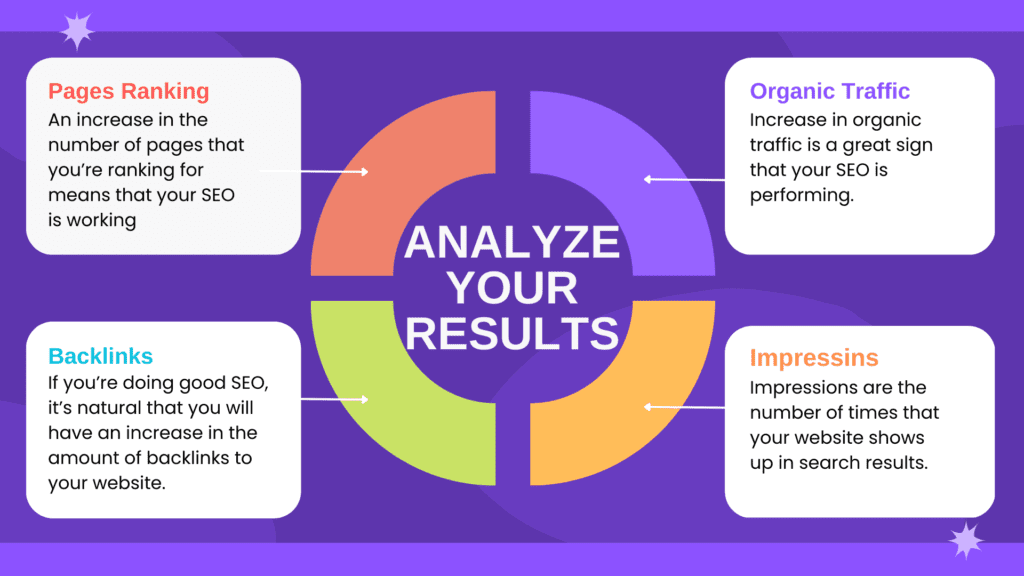
Tracking results tells you which local SEO tips are actually working for your business. By monitoring your website traffic, online visibility, and search engine rankings, you can identify areas for improvement and adjust your local SEO strategy accordingly.
To track and analyze your results, follow these local SEO tips:
- Use Google Analytics 4 to track your website traffic, calls and enquiries.
- Check the Performance section of your Business Profile for searches, calls and direction requests, and use Google Search Console for your website.
- Use customer feedback and reviews to identify areas for improvement in your business operations and customer service.
- Set goals for your local SEO strategy and track your progress toward achieving them.
More Local SEO Tips for Small Businesses
These extra local SEO tips are small on their own, but together they make a visible difference.
- Keep NAP identical everywhere. Your name, address and phone number should match exactly on your website, profile and directories.
- Add a map and full address to your contact page. It confirms your location for both visitors and search engines.
- Post updates on your profile. Offers, new products and event posts show customers that the business is active.
- Answer questions quickly. Reply to calls, messages and reviews fast, because responsiveness affects how customers choose.
- Make your site fast on mobile. Most local searches happen on phones, often on the move.
- Service area businesses can hide their address. If you visit customers, such as a plumber or tutor, set a service area instead of showing your home address.
None of these local SEO tips works in a week. Most businesses see steady progress when they apply them consistently for a few months, and results vary by city and competition.
Common Mistakes When Following Local SEO Tips
- Stuffing the city name into the business name on your profile, which breaks Google’s guidelines
- Using a virtual office or an address where you cannot actually receive customers
- Creating duplicate listings for the same location
- Ignoring negative reviews instead of replying calmly and fixing the issue
Avoiding these mistakes protects all the work you put into the other local SEO tips.
Read More: Maximizing Your Online Presence for Small Businesses

Conclusion:
Following these local SEO tips and maximizing your online presence through local SEO is essential for any business looking to succeed in today’s digital age. By claiming and optimizing your Google Business Profile, using local keywords on your website, building citations and backlinks, encouraging online reviews, using social media to your advantage, and tracking and analyzing your results, you can improve your visibility in local search results and attract more visitors to your business.
With a strong online presence, you can build brand awareness, establish trust with your audience, and ultimately drive more sales and revenue for your business.
If you want to go beyond these local SEO tips and learn online promotion in more depth, our Ultimate Digital Marketing Bundle covers SEO, social media and ads basics in one place.
Read More: The Power Of Long-Tail Keywords: How To Use Them To Boost Your SEO
FAQs About Local SEO Tips
What is local SEO and why is it important?
Local SEO is the process of optimizing your online presence to improve your visibility in local search results. It involves optimizing your website and online listings for local keywords, building local citations and backlinks, and encouraging online reviews. Local SEO is important because it helps businesses attract more visitors from their local area, build brand awareness, and establish trust with their audience.
How can I claim and optimize my Google My Business listing?
To claim and optimize your Google My Business listing, you first need to create a Google account and verify your business information. Once you’ve claimed your listing, you can optimize it by adding accurate and detailed information about your business, including your address, phone number, website URL, business hours, and photos. You can also encourage customers to leave reviews and respond to reviews in a timely manner.
What are local keywords and how do I use them on my website?
Local keywords are keywords that include location-specific phrases, such as “best pizza in New York City” or “plumber in San Francisco”. To use local keywords on your website, you can include them in your page titles, meta descriptions, header tags, and content. However, it’s important to use local keywords in a natural and relevant way that provides value to your audience, rather than stuffing them in awkwardly.
What are citations and backlinks, and how do I build them?
Citations are online mentions of your business’s name, address, and phone number (NAP) on other websites and directories. Backlinks are links from other websites to your website. To build citations and backlinks, you can submit your business information to online directories, reach out to local websites and blogs for link opportunities, and create high-quality content that other websites will want to link to.
How can I encourage online reviews and use them to improve my business operations?
To encourage online reviews, you can ask satisfied customers to leave a review on your Google My Business listing, website, or other review sites. You can also make it easy for customers to leave a review by providing clear instructions and links. Once you have received reviews, you can use them to identify areas for improvement in your business operations and customer service and respond to reviews in a professional and helpful manner.
How can I use social media to improve my local SEO?
To use social media to improve your local SEO, you can maintain an active social media presence, engage with your audience, use local hashtags, and use social media advertising to reach a larger audience. By using social media to drive traffic to your website and promote your business, you can improve your online visibility and attract more visitors to your business.
How can I track and analyze my local SEO results?
To track and analyze your local SEO results, you can use tools like Google Analytics, Google Search Console, and Moz Local to monitor your website traffic, online visibility, and search engine rankings. You can also use customer feedback and reviews to identify areas for improvement in your business operations and customer service. By setting goals and tracking your progress towards achieving them, you can continually improve your local SEO strategy and maximize your online presence.